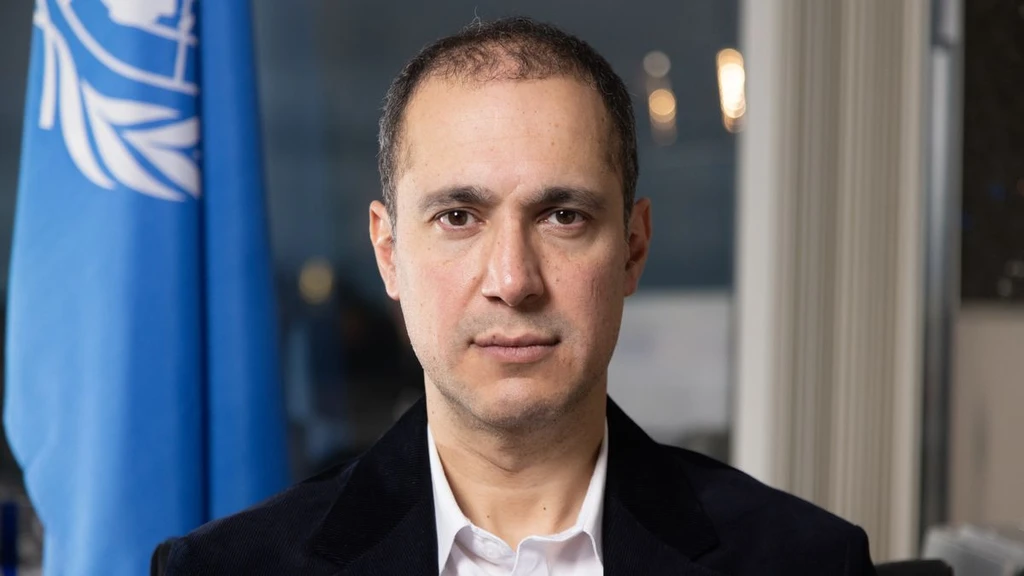
Kaveh Madani, director of the United Nations University Institute for Water, Environment and Health, warns that global water bankruptcy has reached every inhabited continent. Humans are depleting Earth's fresh water at unprecedented rates, losing enough annually to meet needs of 280 million people.
Water bankruptcy combines insolvency with irreversibility. Insolvency occurs when water use exceeds natural recharge rates. Irreversibility happens when ecosystems lose their ability to bounce back, creating permanent scarcity.
Madani's research shows no country escapes water bankruptcy regardless of natural water abundance. Even water-rich regions like parts of Canada face the problem. Quality matters as much as quantity - polluted water in wet regions like Southeast Asia creates unusable supplies.
Current solutions focusing on increasing supply through technology have failed. Effective management requires consumption reduction and major policy reforms targeting unsustainable uses. Agriculture remains the largest water consumer globally, particularly affecting smallholder farmers.
Emerging technologies like AI and data centers compound the problem. These facilities require substantial water for cooling and energy production, competing with traditional sectors for scarce resources.
Madani emphasizes that water bankruptcy affects developed and developing nations alike, requiring immediate comprehensive policy changes to prevent irreversible ecosystem collapse.