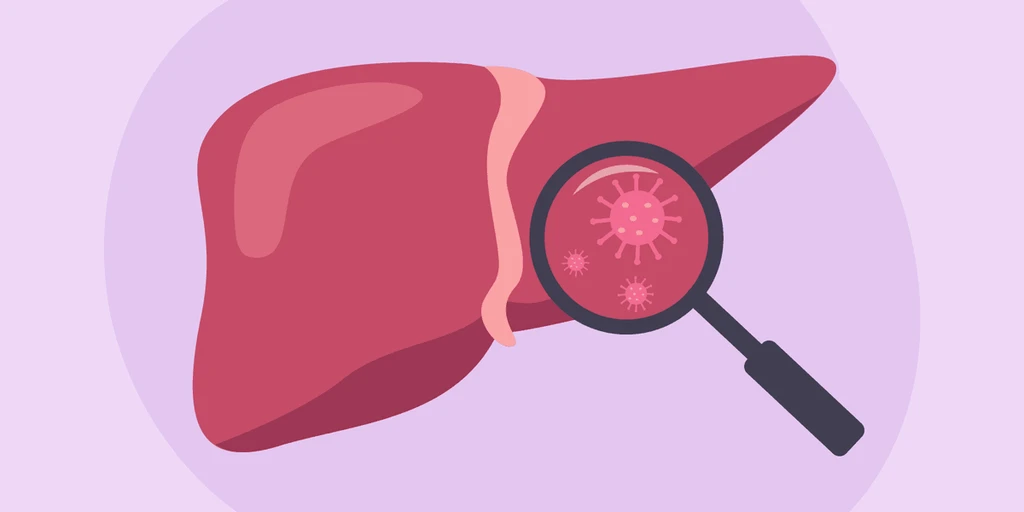
An estimated 4.5 million US adults live with chronic liver disease, and women are more susceptible than men. While often linked to alcohol, factors like obesity, autoimmune disorders, and viruses are major causes. Some types primarily affect women.
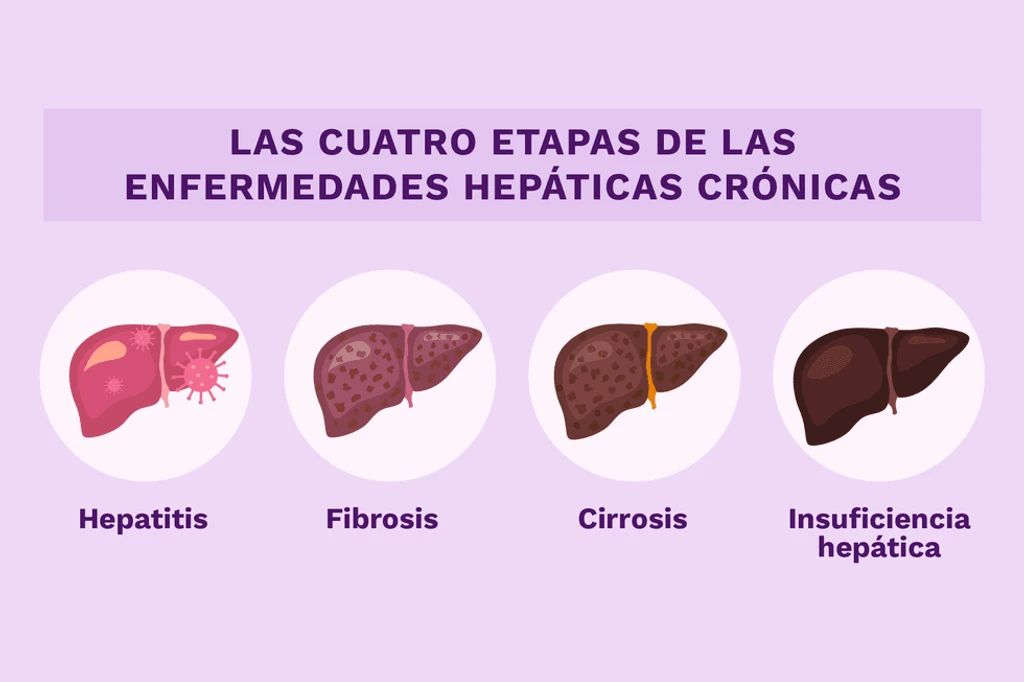
The liver, the body’s largest internal organ, is resilient but not indestructible. Chronic liver disease progresses through four stages: hepatitis (inflammation), fibrosis (scarring), cirrhosis (permanent scarring), and liver failure.
Autoimmune hepatitis and primary biliary cholangitis disproportionately affect women. Metabolic dysfunction-associated steatotic liver disease (MASLD), formerly known as non-alcoholic fatty liver disease, is the most common type. Symptoms of chronic disease often appear late and include jaundice, confusion, and easy bruising. Early detection through blood tests is key.