Population aging is a major demographic challenge. Spain leads global longevity with an average life expectancy of 84 years, but nearly 50% of those over 65 live with disease or disability. The goal now is not just to extend life, but to improve the quality of those final years.
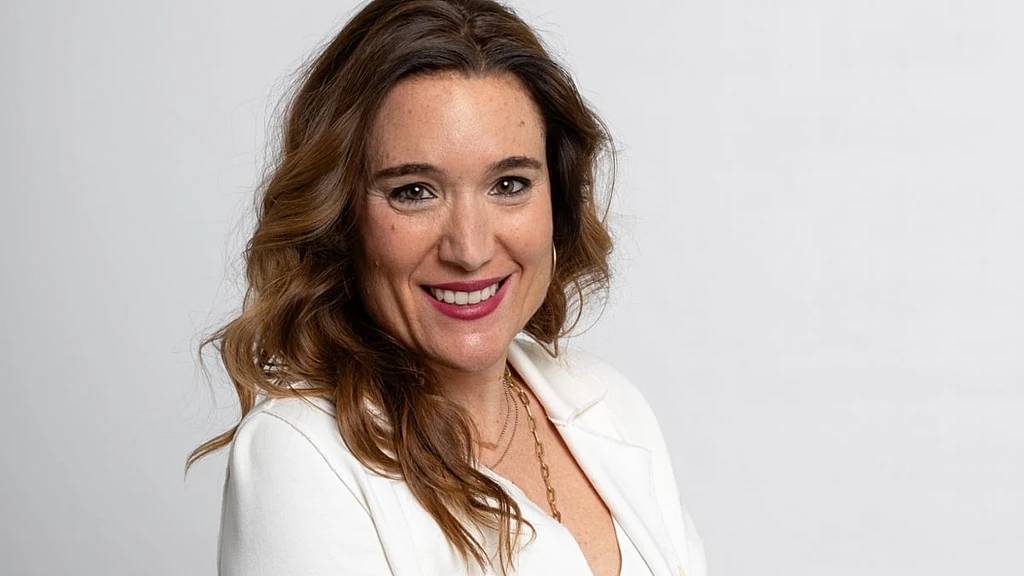
At the Ibiza Tech Forum, Cristina Spa, a pharmacist and founder of C+Longevity, discussed building a bridge between cutting-edge technology and clinical practice. Her ecosystem offers clinicians accredited training and a scientific library, steering longevity medicine away from the casual empiricism of social media and extreme biohacking.
Contrary to assumptions, veteran doctors-not younger professionals-are most interested in prevention. They recognize the public health system's structural shortcomings, particularly the lack of time for personalized, preventive medicine. Longevity is a cross-cutting field attracting immunologists, endocrinologists, and even pediatricians.
Wearables generate vast amounts of health data, but without expert interpretation, this can lead to chronic stress. “This responsibility should not be placed on citizens who have not studied medicine,” said Spa. The real value lies in personalized interpretation by a professional.
Currently, longevity medicine is costly and reactive. As demand grows and more specialists are trained, costs will drop, paving the way for a preventive healthcare model. Spa calls for society to invest in research into healthy aging, understanding its biological mechanisms to ensure final years are lived with vitality and energy.