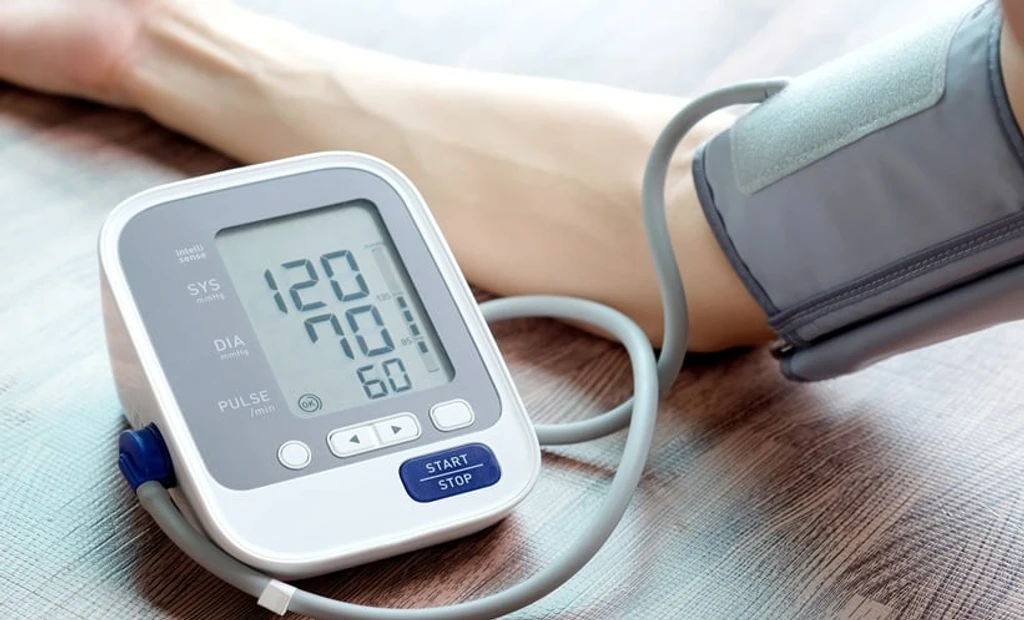
A longitudinal cohort study has identified mean arterial pressure as a key predictor of arterial stiffness progression in adults with prediabetes, suggesting early blood pressure management could offer cardiovascular protection before diabetes onset.
Researchers analyzed data from 5,771 adults with prediabetes in the Shougang cohort study. They assessed markers including the triglyceride glucose index, triglyceride-to-HDL cholesterol ratio, mean arterial pressure, BMI, and dyslipidemia. Arterial stiffness was measured using brachial-ankle pulse wave velocity.
At baseline, several markers were linked to higher baPWV. However, over a mean follow-up of 3.24 years, mean arterial pressure was the only marker consistently associated with worsening arterial stiffness. Each one-unit increase in MAP correlated with a 0.72 cm/s per year faster progression. After adjustment, the risk of arterial stiffness rose by 3% per unit increase in MAP.
The findings emphasize that while insulin resistance and lipid abnormalities matter at baseline, elevated blood pressure drives ongoing vascular deterioration in prediabetes. Early blood pressure control may reduce future cardiovascular complications.