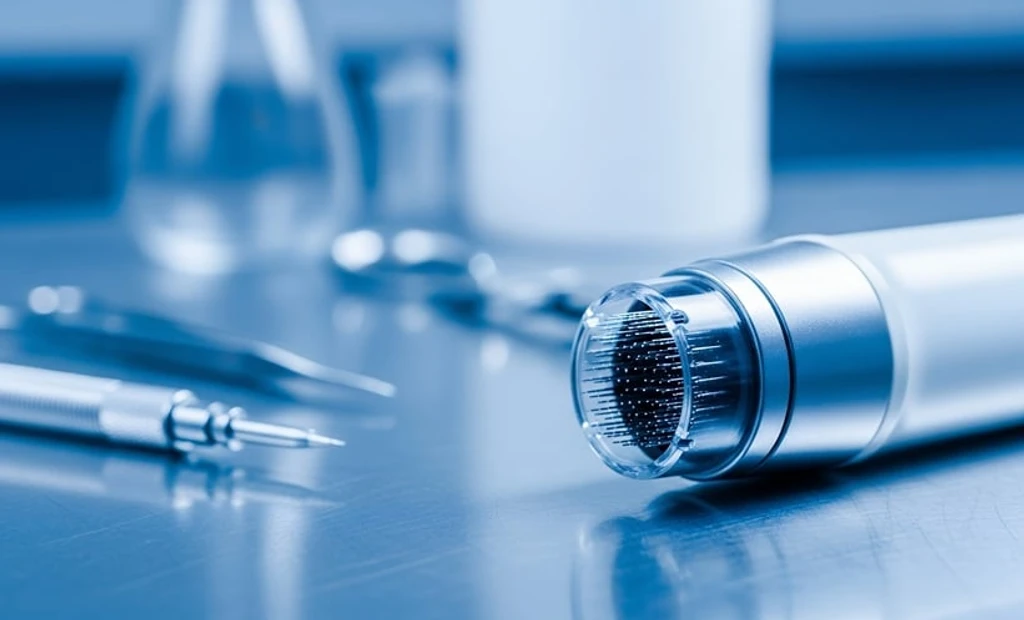
A groundbreaking microneedle sensor can now monitor drug clearance in real time and detect early signs of kidney and liver dysfunction in preclinical models. This development offers a minimally invasive approach for precision medicine.
The durable sensor, designed to improve signal quality and resist damage during insertion, continuously samples interstitial fluid. It aims to support critical drug dosing decisions and enable earlier recognition of organ dysfunction through immediate measurements.
In studies with freely moving rat models, the sensor successfully extended in vivo biosensor lifetime for pharmacokinetic monitoring to six days. Investigators accurately derived blood-equivalent pharmacokinetic parameters by utilizing a blood-interstitial fluid equilibrium framework. The device identified delayed drug clearance in liver-damaged models and accurately correlated recordings with blood antibiotic pharmacokinetics across varying severities of chronic kidney disease. It also detected renal impairment earlier than conventional biomarker thresholds by quantifying drug clearance and captured recovery during therapeutic intervention.
These findings suggest the microneedle sensor can facilitate longitudinal monitoring of low-concentration analytes, eliminating the need for repeated blood sampling. Clinically, this technology could optimize dosing for narrow therapeutic index medicines and provide early warnings of declining renal or hepatic function. Further human studies are required to confirm safety, calibration stability, and long-term wearability across diverse patient groups and medication classes.