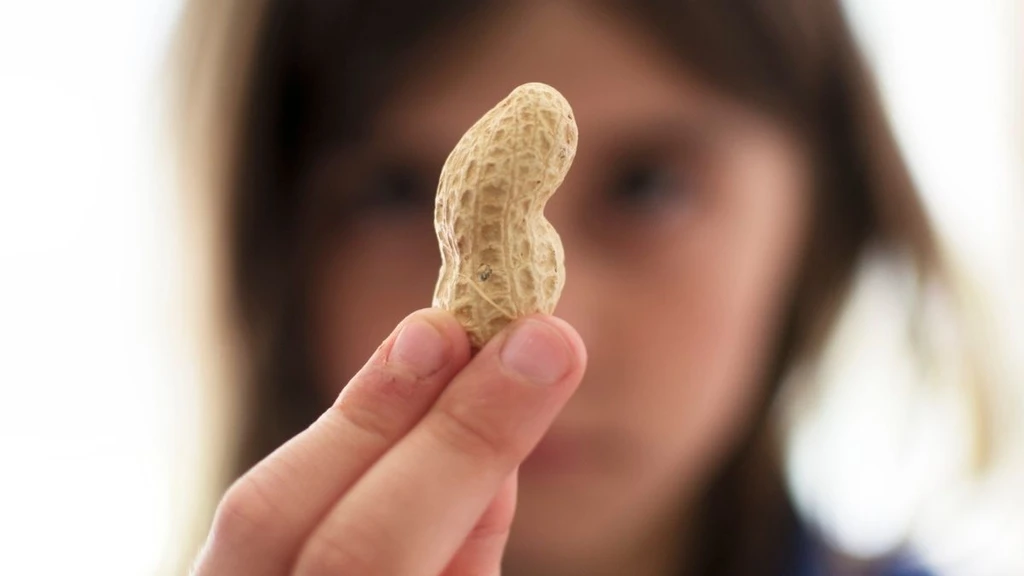
Scientists have discovered specific bacteria residing in the human mouth and gut that can effectively 'disarm' the proteins responsible for triggering severe peanut allergies. The groundbreaking study identified two microbes, Rothia and Staphylococcus, which naturally break down the allergenic components in peanuts that can lead to life-threatening anaphylaxis.
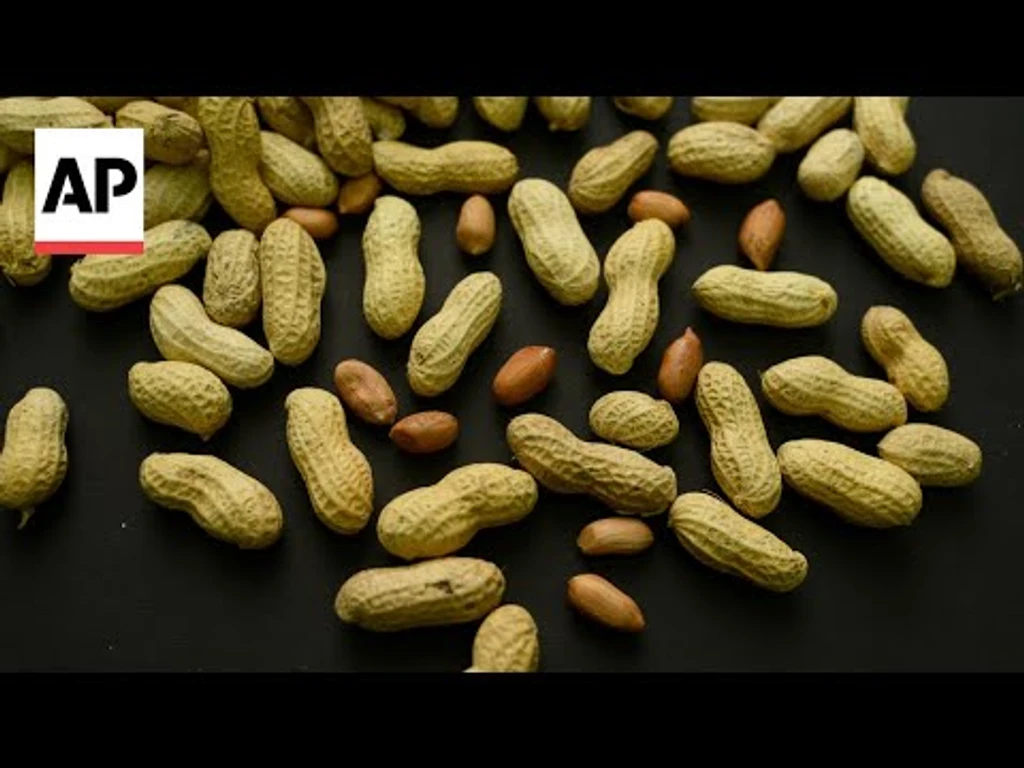
This discovery stems from research involving children undergoing oral immunotherapy for peanut allergies. Blood tests revealed that individuals with a higher presence of these protein-degrading microbes in their oral and intestinal microbiomes exhibited greater tolerance to peanuts and less severe allergic responses. Conversely, those with lower thresholds for allergic reactions showed reduced levels of Micrococcales bacteria, a group including Rothia.
Experiments in mice further demonstrated that Rothia could significantly reduce anaphylactic reactions by breaking down key allergenic peanut proteins, Ara h 1 and 2. While still in early observational stages, these findings suggest a significant therapeutic potential for harnessing bacterial capabilities in managing food allergies. Future research will explore probiotics and other microbial interventions as safe and effective treatment routes.