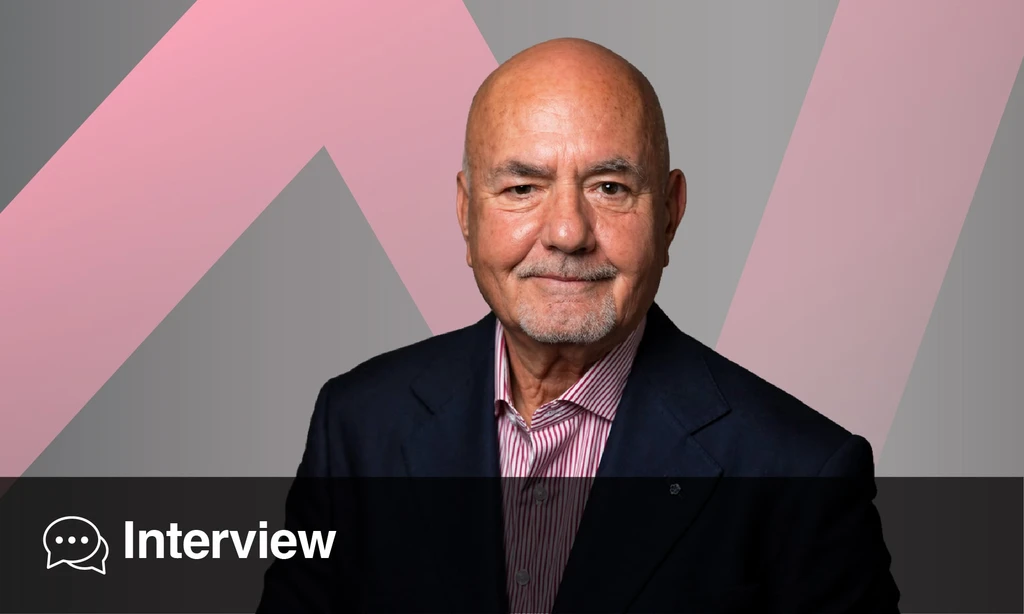
Professor Massimo Pinzani, a renowned figure in hepatology, reflects on his career dedicated to understanding and treating liver disease. Initially inspired by a desire to bridge the gap between clinical diagnosis and the underlying mechanisms of chronic liver disease, Pinzani embraced a physician-scientist path.
His early work focused on patient-centered questions, leading to a deep dive into hepatic stellate cell biology and extracellular matrix remodeling. This translational approach, embedding laboratory research within clinical units and prioritizing human tissue, marked a significant shift from animal models to human-relevant studies. This focus enabled the discovery of reliable non-invasive diagnostics and biomarkers for fibrosis and portal hypertension.
Pinzani's research continues to explore unanswered questions in fibrogenesis, particularly individual genetic variability. He highlights the transformative impact of establishing human mechanistic science with practical diagnostics and biotech translation, fundamentally changing how liver fibrosis is diagnosed, monitored, and targeted.
Sustaining scientific originality, Pinzani emphasizes letting clinical problems guide basic questions, utilizing human-relevant systems, and adopting new tools like single-cell omics and advanced imaging. His work with Istituto Mediterraneo per i Trapianti e Terapie ad Alta Specializzazione (ISMETT) signals an expansion into regenerative and transplant medicine.
As an Emeritus Professor at University College London (UCL) and Scientific Director at UPMC ISMETT, Pinzani's leadership philosophy evolved to orchestrating large research groups. He prioritizes a shared patient-centered purpose, removing collaboration barriers, and protecting resources for high-risk, high-reward research. Establishing multidisciplinary cores and maintaining flat communication are key to fostering environments where translational science thrives.
Co-founding Engitix Therapeutics, Pinzani has navigated the bridge between academia and biotech. He notes that industry demands clearer alignment with patient impact, pragmatic timelines, and fluency in industry concepts. This experience reinforces his belief in developing effective patient treatments.
As Treasurer of the European Association for the Study of the Liver (EASL), Pinzani underscores the society's vital role in setting research agendas, influencing policy, and driving global awareness for liver disease.
Looking ahead, Pinzani anticipates breakthroughs in AI-driven diagnostics, truly anti-fibrotic therapies, and regenerative organ platforms. These developments, he believes, will define the next 10-20 years, shifting care toward early intervention and disease-modifying strategies.