Researchers at Texas A&M University have achieved a breakthrough in regenerative medicine, successfully stimulating partial limb regrowth in mice. The team used a two-step protein treatment that coaxed cells to regenerate bone, tendon, ligament, and joint structures in amputated digits.
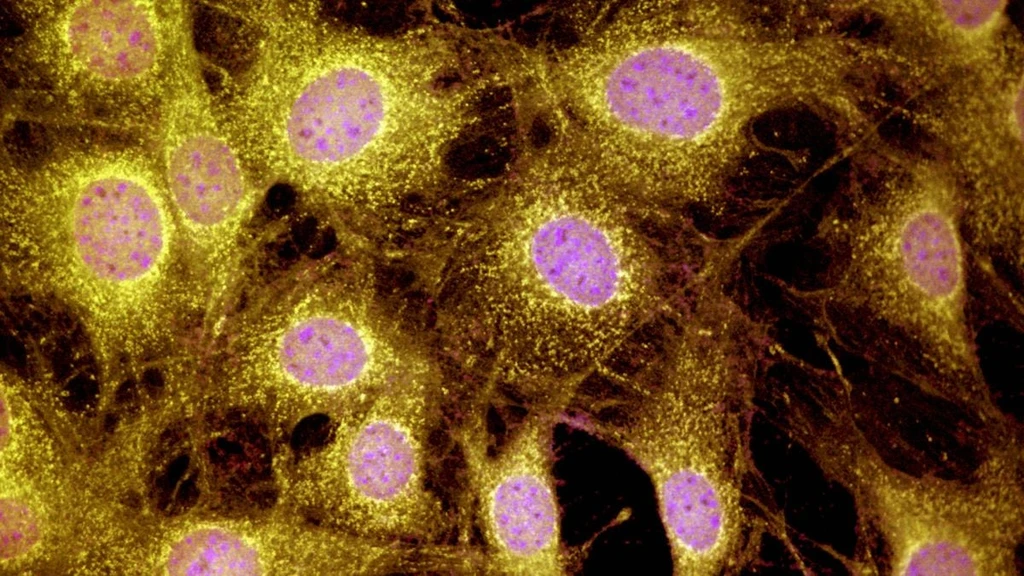
Fibroblasts, the cells that typically form scar tissue after injury, were reprogrammed using fibroblast growth factor 2 (FGF2). This created a 'blastema' - a cell bud that salamanders and axolotls use to regrow limbs. Then, bone morphogenetic protein 2 (BMP2) was applied to guide the construction of new tissue.
The results, published in Nature Communications, showed that while the regrown digits were sometimes misshapen or undersized, they contained all essential elements. The approach avoids stem cell transplantation, instead unlocking the regenerative potential of existing cells. The technique has not yet been tested in humans, but the team believes it fundamentally changes the possibilities for mammalian regeneration.