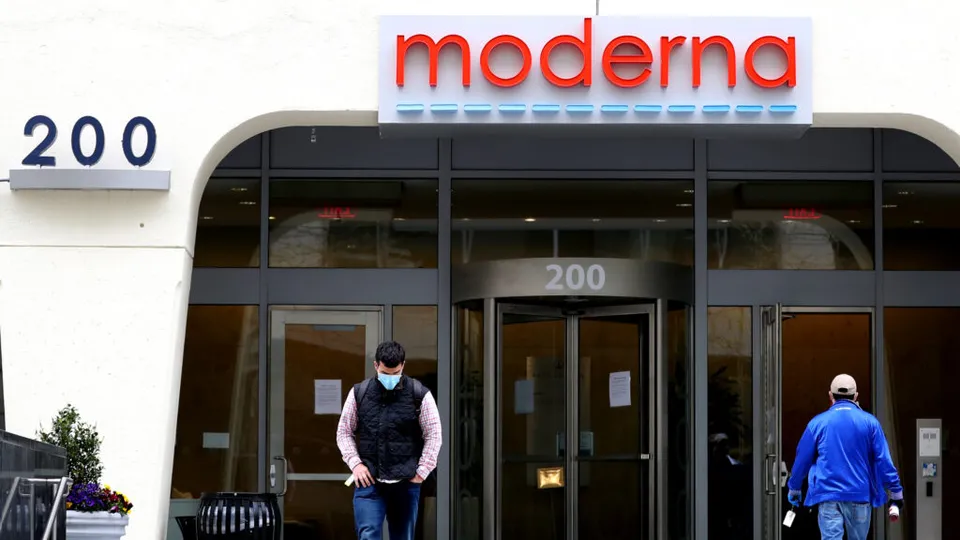
A former Moderna executive recounts the electrifying atmosphere during the COVID-19 vaccine rollout, a period marked by "a palpable sense of hope" and rapid innovation. The company, which had built a manufacturing site less than two years prior, was producing astonishing numbers of vaccine doses, creating highly skilled jobs and drawing top scientific talent. This environment, fueled by a "symbiotic embrace" of science, talent, and supportive governance, accelerated programs that had been decades in the making.

The executive highlights investments in vaccines for cytomegalovirus (CMV) and respiratory syncytial virus (RSV), noting the potential to combat significant infant health issues. However, this spirit of possibility is now overshadowed by "regulatory unpredictability and malice as policy."
The FDA's refusal to review Moderna's mRNA flu vaccine application is cited as a symptom of this shift. While framed as technical, the author argues it serves as a pretext for a broader agenda to undermine vaccine confidence. This regulatory climate, coupled with statements from Moderna's CEO about curbing investments in new infectious disease trials due to uncertain market access, signals a departure from U.S. leadership in vaccine science.
The author stresses that developers require "regulatory clarity" and stable standards to make the enormous financial bets necessary for vaccine development. When regulation is perceived as based on "shifting interpretations rather than reasoned scientific judgment," it erodes trust and drives investment elsewhere. The consequence, the author warns, will be a diminished preparedness and a nation left waiting for preventable medical advancements.
This piece argues that the pharmaceutical industry and public health are intrinsically linked. Substituting bias for science and selective data use leads to significant public health costs, measured in preventable illnesses and reduced national preparedness.