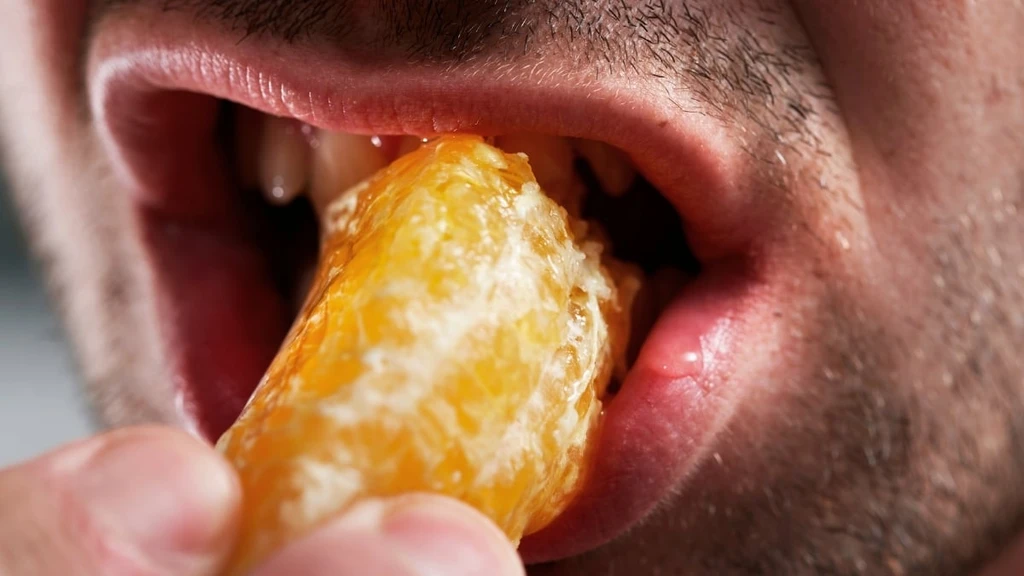
A recent study suggests that misophonia, a condition characterized by severe stress responses to everyday sounds like chewing or breathing, shares genetic links with mood disorders. Researchers analyzed genetic data from large databases, finding that individuals self-reporting misophonia were more likely to possess genes associated with psychiatric conditions, including anxiety, depression, and PTSD.
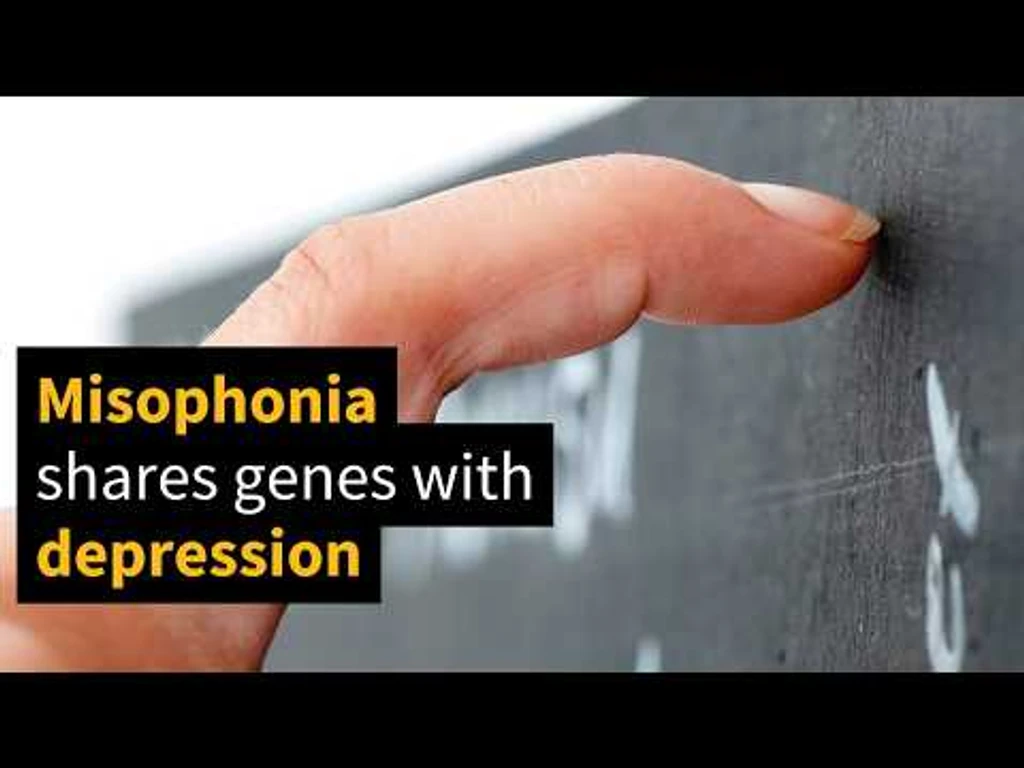
The findings indicate a potential shared neurobiological system, suggesting that genetic risk factors for conditions like PTSD might also increase the likelihood of developing misophonia. This genetic overlap does not necessarily imply identical underlying mechanisms but points to common genetic predispositions.
Furthermore, the study revealed strong associations between misophonia and personality traits such as worry, guilt, and neuroticism. The distress experienced by individuals with misophonia can range from intense irritation to debilitating emotional responses that significantly impact daily life. Interestingly, the research found that people with autism spectrum disorder were less likely to experience misophonia, suggesting these conditions are relatively independent in terms of genomic variation.
While the study's data was primarily drawn from European populations and relied on self-reported diagnoses, it highlights the complexity of misophonia and suggests potential avenues for future research into its biological underpinnings. A separate survey indicated that misophonia might be more common than previously thought, affecting a significant percentage of the population.