
For decades, individuals worldwide have reported hearing a persistent, low-frequency drone known as The Hum. While explanations have historically ranged from industrial noise to environmental anomalies, new research indicates the source may be internal. A team led by auditory scientist Bonifaz Baumann at the German Center for Vertigo and Balance Disorders suggests many cases are actually underrecognized low-frequency tinnitus.

The phenomenon first gained prominence in Bristol, UK, during the 1970s before spreading to reports across North America, Australia, and New Zealand. Sufferers describe a 50 Hertz rumble often audible only to them. Despite extensive investigation, external sources have rarely been identified. Neuroscientist Markus Drexl of the Norwegian University of Science and Technology notes that while physical sound sources exist, subjective tinnitus in the low-frequency range is frequently the cause.
Researchers tested 28 volunteers to evaluate two primary theories: exceptional low-frequency hearing sensitivity or otoacoustic emissions generated within the cochlea. Standard hearing tests revealed average sensitivity in nearly all participants. Furthermore, measurements of inner ear sounds showed no unusual otoacoustic emissions. These findings effectively rule out superior hearing or mechanical ear noise as primary causes for most sufferers.
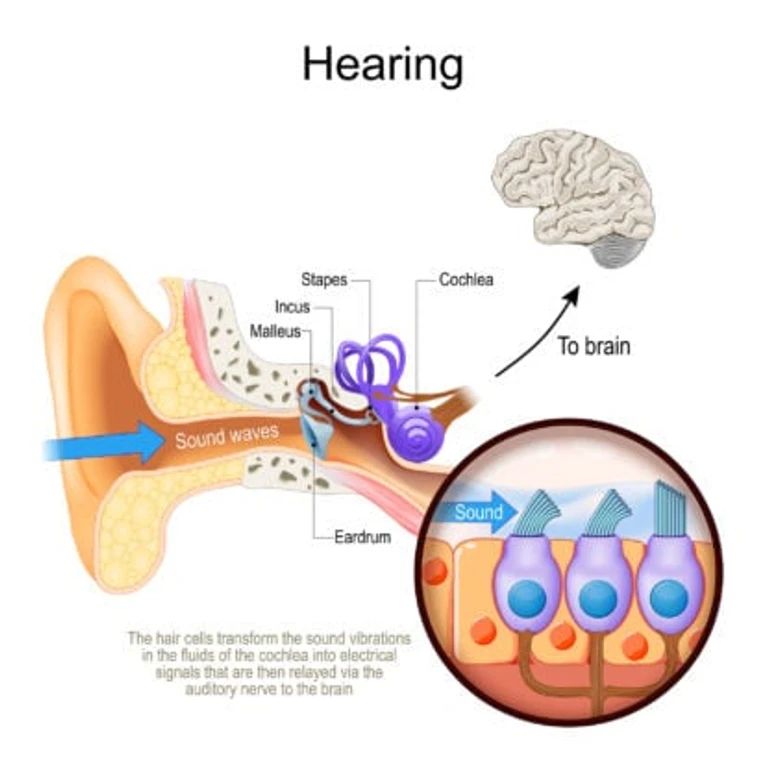
The study concludes that The Hum is likely a subjective neurological experience akin to tinnitus. Unlike the commonly recognized high-frequency whine, this variant manifests as a low-end rumble originating in the brain's auditory processing centers. Reclassifying the condition does not diminish its reality but aligns it with established medical frameworks. This shift could unlock existing tinnitus management strategies and therapies previously overlooked for Hum sufferers.
Published in PLOS One, this research redirects focus from elusive environmental hunts to clinical audiology. Identifying The Hum as a form of tinnitus validates patient experiences and offers a tangible pathway toward symptom relief through proven neurological interventions.