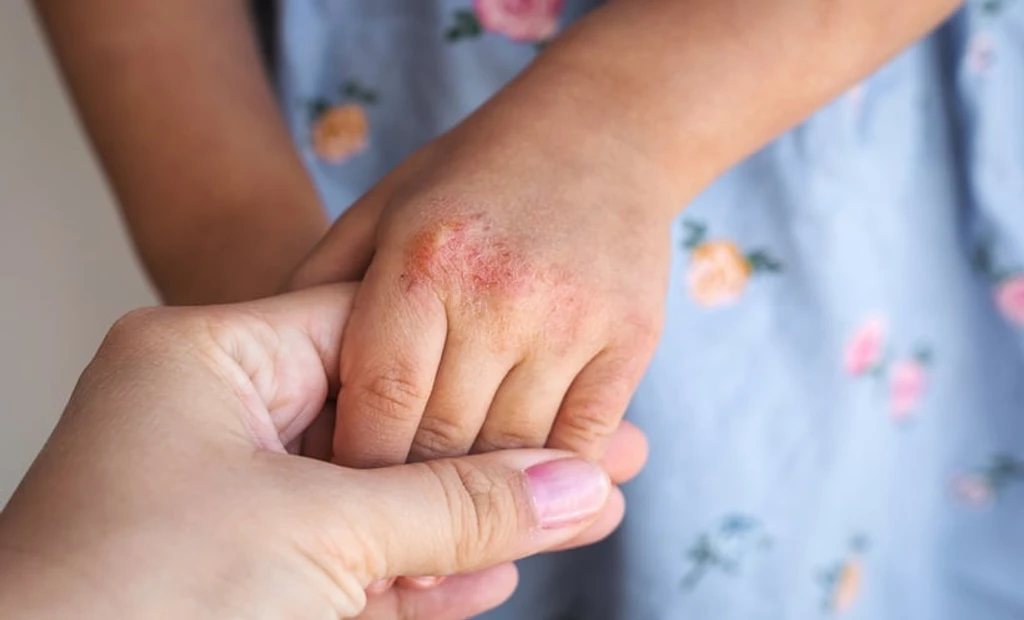
Machine learning models can now predict which children with early-onset eczema are likely to develop persistent asthma and allergic rhinitis by school age. Atopic dermatitis, a common eczema form, is known as an early step in the 'atopic march' leading to these respiratory conditions.
Researchers developed two machine learning models using electronic health records from over 10,000 children diagnosed with atopic dermatitis before age three. Both models demonstrated strong performance in predicting moderate-to-severe persistent asthma between ages five and eleven, with nearly identical discrimination capabilities (AUC: 0.893 and 0.892).
The models also predicted allergic rhinitis with more moderate performance (AUC: 0.793 and 0.773), but showed notably high positive predictive values over 70% in higher-risk groups. The models were well-calibrated, especially for children classified as highest risk.
These AI tools could enable clinicians to stratify patients, identifying those who would benefit from closer monitoring or preventive strategies. This potential shift from reactive treatment to proactive, individualized care could transform pediatric allergy management and alter the trajectory of the atopic march for high-risk children.