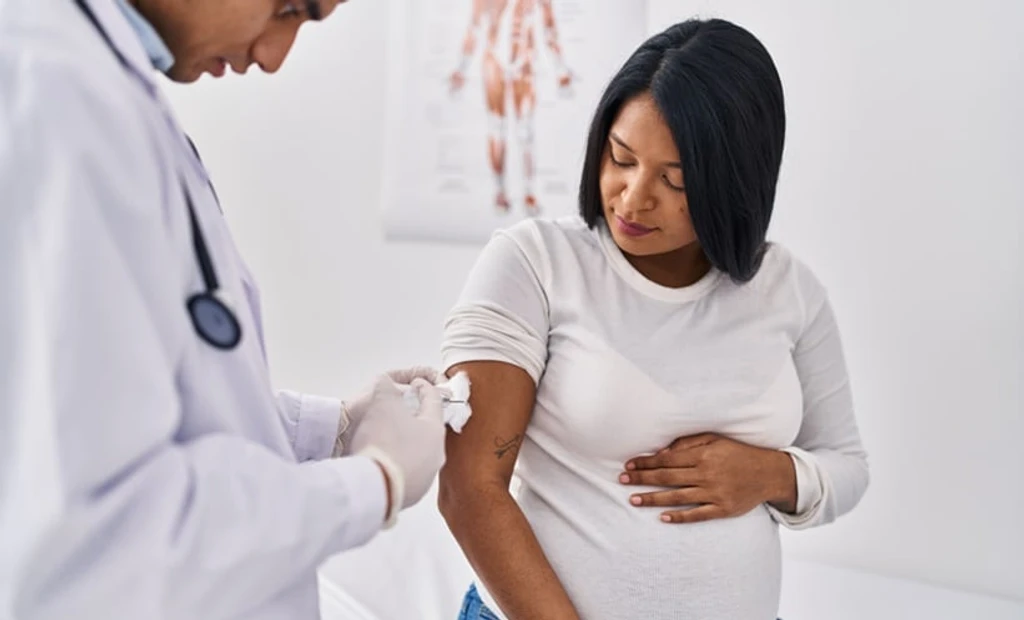
A major UK study presented at ESCMID Global 2026 found that maternal vaccination against respiratory syncytial virus (RSV) reduces infant hospitalizations by over 80% if administered at least two weeks before birth. While 55% of infants were born to unvaccinated mothers, they represented 87.2% of hospitalizations.
Lead author Matt Wilson stated the findings provide robust evidence of substantial protection against severe illness in young infants. Effectiveness increased with longer intervals between vaccination and birth, nearing 85% when vaccination occurred at least four weeks prior.
England introduced a national maternal RSV vaccination program on September 1, 2024, offering the Bivalent Prefusion F vaccine to pregnant women from 28 weeks' gestation. The retrospective study analyzed data from 289,399 infants born between September 2024 and March 2025. Infants whose mothers were vaccinated at least 14 days before birth showed an estimated vaccine effectiveness of 81.3% compared to unvaccinated infants. Protection was around 50% for infants born 10 to 13 days after vaccination, with no reduction seen if vaccination occurred less than 10 days before birth.
Vaccine effectiveness for preterm infants was estimated at 69.4% when at least 14 days passed between vaccination and birth. Wilson highlighted this as particularly important for preterm infants, who are highly vulnerable to severe RSV infection.
Researchers called for further investigation into the program's population-level impact and how protection wanes later in infancy. The findings underscore the potential global benefits of wider maternal RSV vaccination rollout.