After two decades of serial mouse cloning, Japanese researchers have uncovered a critical flaw: repeated cloning leads to fatal genetic mutations that accumulate over generations.
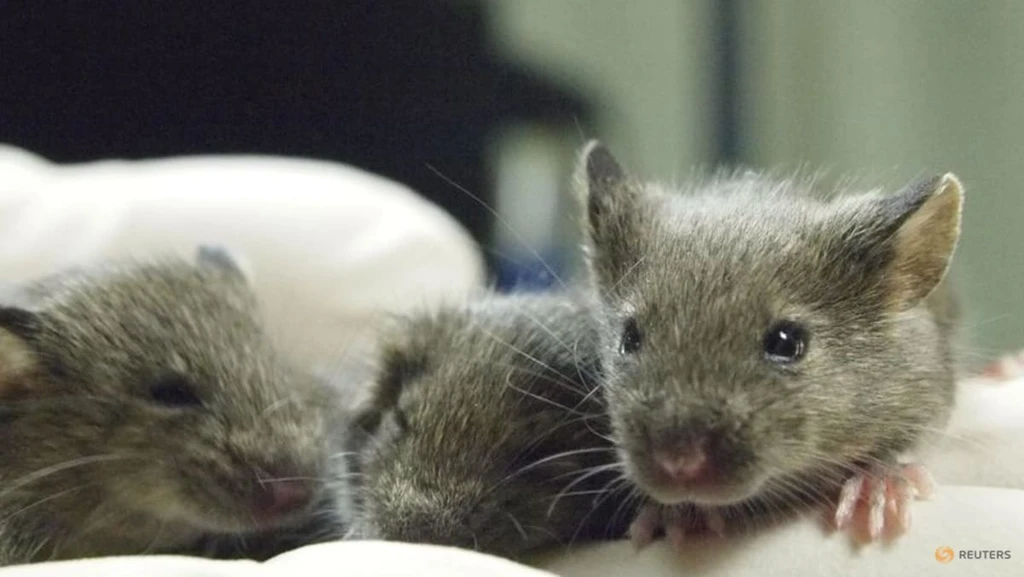
Starting in 2005, scientists at the University of Yamanashi created 1,206 clones from a single brown female mouse. The first 25 generations appeared healthy, but by the 27th, large-scale chromosomal abnormalities emerged-like loss of an X chromosome. The 58th generation died within days of birth despite showing no physical defects.
"Clones were once thought identical to the original, but mutations occur at three times the rate of natural mating," said developmental biologist Teruhiko Wakayama, senior author of the study published in Nature Communications.
The team used somatic cell nuclear transfer-the same method that produced Dolly the sheep and Cumulina the mouse-cloning each new generation every three to four months. Genome sequencing of 10 clones revealed progressive genetic degradation, likened to repeatedly photocopying a photocopy.
Initially fertile, cloned females produced normal litters up to the 20th generation. Later, litter sizes shrank as mutations mounted. Sexual reproduction, the study confirms, remains essential for purging harmful genetic errors in mammals.
"We believed infinite cloning was possible," Wakayama admitted. "These results are disappointing. We need a fundamentally improved nuclear transfer method."
The findings debunk the myth of perfect genetic replication and underscore why mammals-unlike plants or simpler organisms-cannot rely on cloning for species survival.