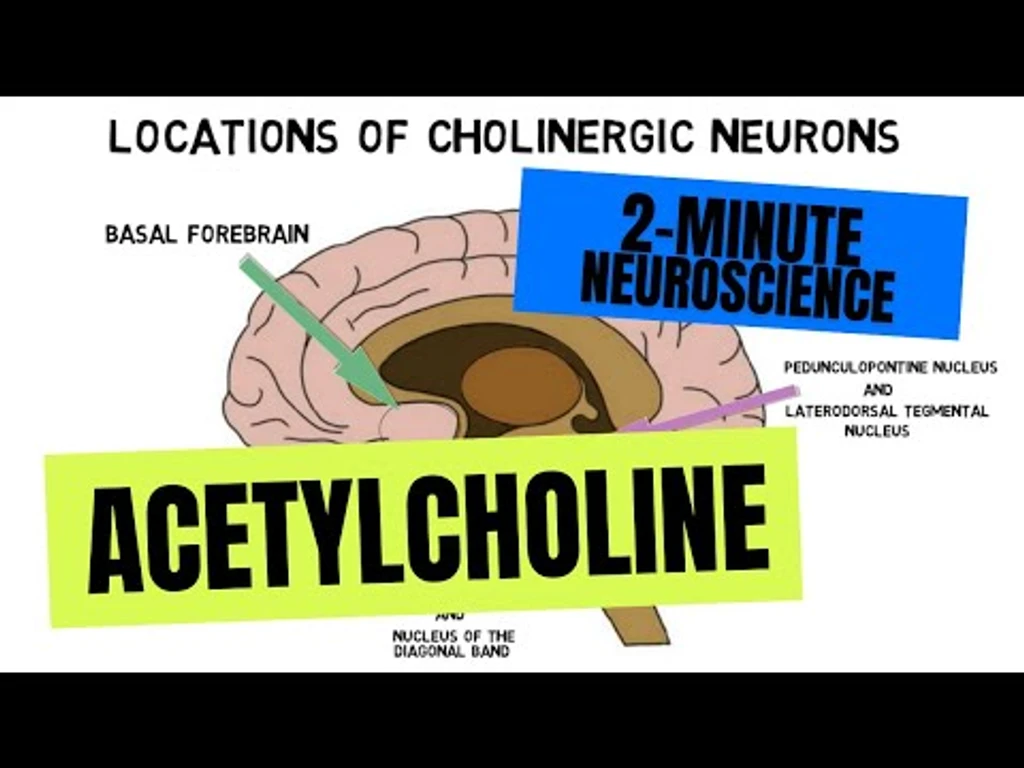
Neuroscientists have pinpointed a single brain chemical that governs the ability to abandon proven strategies when they stop working. A study from the Okinawa Institute of Science and Technology reveals that acetylcholine is the critical neurotransmitter determining whether an individual doubles down or pivots after disappointment.
Researchers trained mice to navigate a virtual maze for rewards before abruptly changing the route. Using advanced two-photon microscopy and a genetically encoded sensor, they monitored brain activity in real time. When the familiar path provided no reward, the mice experienced a significant surge in acetylcholine in specific brain regions. This chemical spike directly correlated with a shift to new behaviors.

"The greater the increase in acetylcholine, the more likely the mice were to change their future choices," said Gideon Sarpong, lead author of the study. To confirm this, researchers inhibited acetylcholine production. Those mice demonstrated rigid behavior, stubbornly repeating failed tactics rather than adapting.
The findings suggest acetylcholine does not simply erase old habits but delivers a neural nudge to explore new options. While some brain cells increased production following failure, others showed reduced activity, indicating the brain may archive previously successful strategies for future use.
The study, published in Nature Communications, offers a new target for understanding neuropsychiatric conditions marked by stubborn habits, including addiction and obsessive-compulsive disorder.