
Scientists at the Hebrew University of Jerusalem have identified a specific genetic mechanism that forces a biological trade-off between rapid early growth and longevity. The study, published in Nature Communications, centers on the vestigial-like 3 (vgll3) gene.
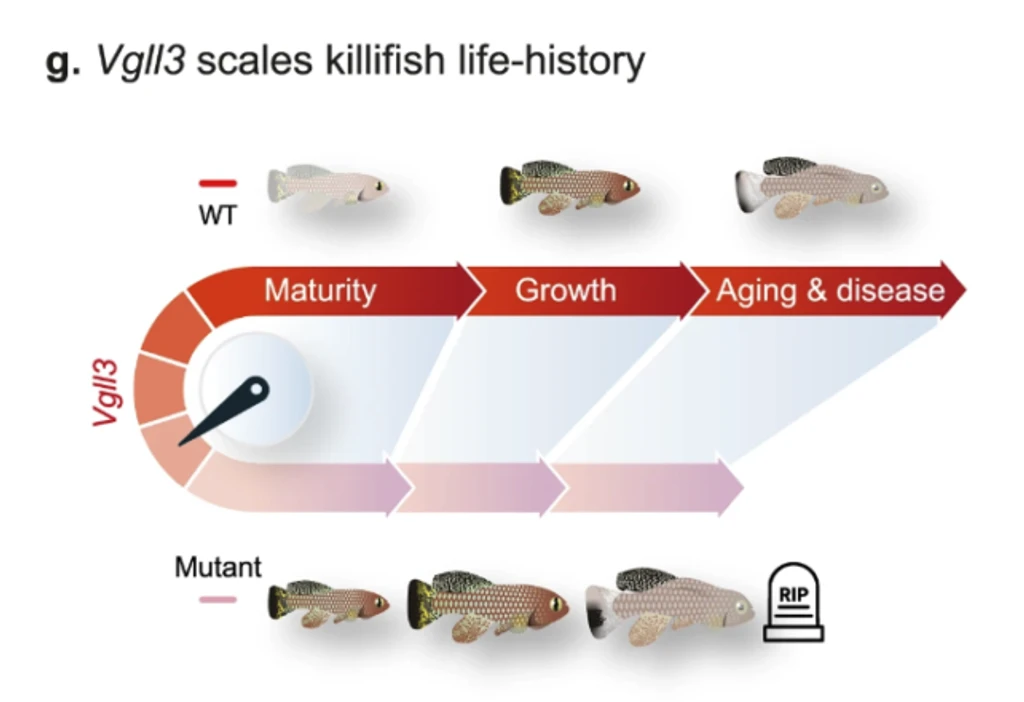
Using CRISPR gene editing on African turquoise killifish, researchers disrupted the vgll3 gene. The modified fish exhibited accelerated cell division, reaching sexual maturity significantly faster than their counterparts. However, this "live fast" advantage came with a severe cost: the fish developed age-related tumors, including melanoma-like cancers, and suffered shortened lifespans.
This provides rare experimental evidence of antagonistic pleiotropy in vertebrates-the theory that genes beneficial for early reproduction can be detrimental later in life. Lead researcher Itamar Harel describes the finding as catching evolution in the act of prioritizing continuity over indefinite maintenance.
The vgll3 gene is present in humans and has previously been linked to puberty timing. While its role in human aging remains complex, with past studies showing both tumor-promoting and suppressing effects, this research suggests the same cellular machinery driving youthful growth may hijack systems to build tumors in old age. Future work aims to decouple healthy growth from these late-life disease risks.