The World Health Organization has announced compelling new evidence that the malaria vaccine is saving children's lives in Africa. A large-scale evaluation published in The Lancet found that the RTS,S vaccine, introduced in Ghana, Kenya, and Malawi between 2019 and 2023, prevented approximately one in eight deaths among eligible young children in vaccinated areas.
Dr. Kate O’Brien, WHO Director for Immunization, Vaccines and Biologicals, called it "very solid evidence of the potential for malaria vaccines to change the trajectory of child mortality in Africa." She urged urgent investment to expand access.
Malaria remains a leading killer of children under five, with an estimated 438,000 African child deaths in 2024 alone. WHO believes wider use of both RTS,S and the newer R21 vaccine could save tens of thousands more lives each year if deployed at scale.
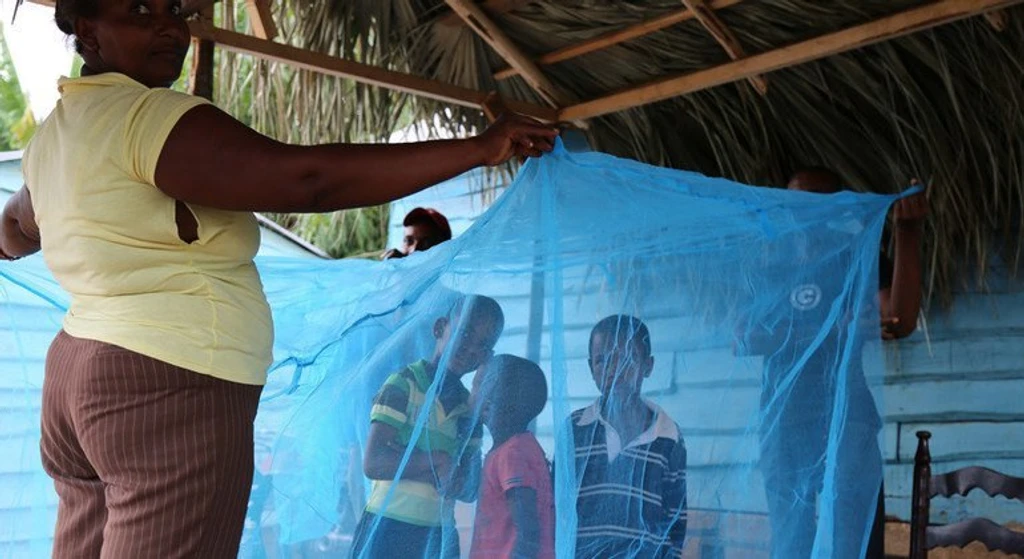
Health experts stress vaccination works best alongside bed nets, testing, and prompt treatment. The four-dose schedule also provides a critical opportunity to strengthen routine immunization and deliver other lifesaving interventions like vitamin A and mosquito nets.
Despite strong demand and sufficient supply, a funding gap threatens progress. WHO warns sustained investment is needed to buy and deliver the vaccines to all at-risk children.