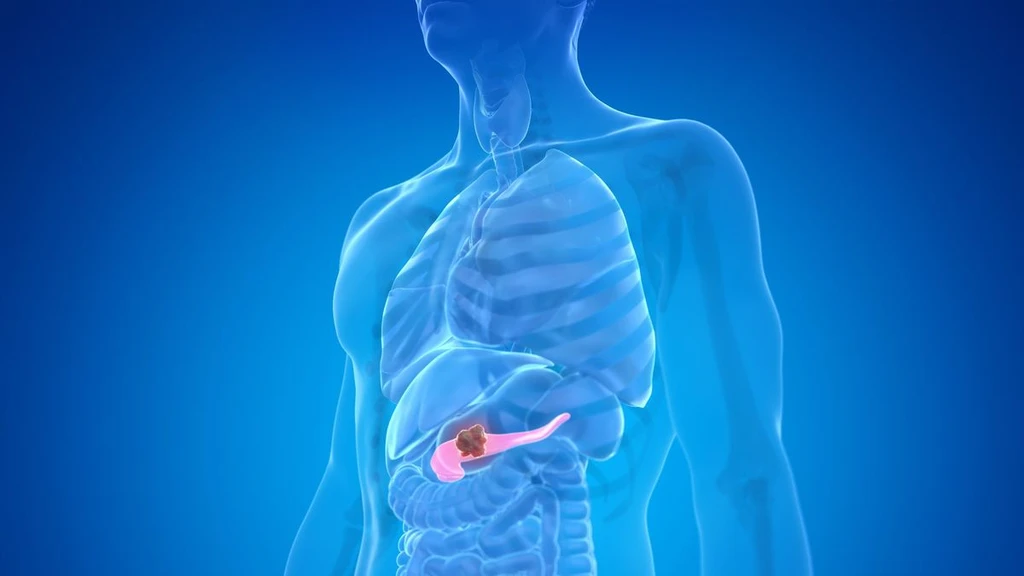
A novel artificial intelligence model can help doctors detect pancreatic cancer up to three years earlier than physicians typically spot tumors on CT scans, according to a new study.
The tool, described in the journal Gut, was used to analyze nearly 2,000 CT scans previously cleared as "normal." It identified tiny structural irregularities in the pancreas that later developed into tumor tissue.
Pancreatic cancer is one of the deadliest cancers. The five-year survival rate in the U.S. is about 12% to 13%. The early stages often have no symptoms, so the disease is frequently advanced at diagnosis.
Dr. Ajit Goenka, a radiologist at the Mayo Clinic and study co-author, explains the AI converts CT images into mathematical representations, extracting features invisible to the human eye. The model, named REDMOD, successfully identified 73% of early-stage cancer cases, and on average, the scans analyzed were taken 16 months before the person's actual diagnosis.
The model correctly identified disease-free patients 81.1% of the time, compared to 92.2% for human radiologists, indicating a complementary role for AI and physician expertise.
Experts see this as a breakthrough for high-risk groups, including individuals with a family history of pancreatic cancer or new-onset diabetes. The team is running clinical trials with hopes for routine clinical use within five years.