
A rare case of a giant bladder stone (GBS) in an 80-year-old male has provided unprecedented insight into stone growth kinetics, particularly in a developed nation.
Giant bladder stones, defined as those exceeding 4 cm in diameter or 100 grams in weight, are exceptionally uncommon, with fewer than 100 documented cases globally. Their rarity in developed countries like Canada is attributed to improved nutrition, hydration, and access to medical imaging.
The patient initially presented with a 3.2 cm stone but declined treatment. Three years later, he returned with significant suprapubic pain and urinary difficulties. CT scans revealed the stone had grown to 6 cm and caused mild kidney obstruction. Despite counseling on the risks of non-treatment, including potential renal dysfunction, infection, or bladder rupture, the patient continued to refuse intervention.
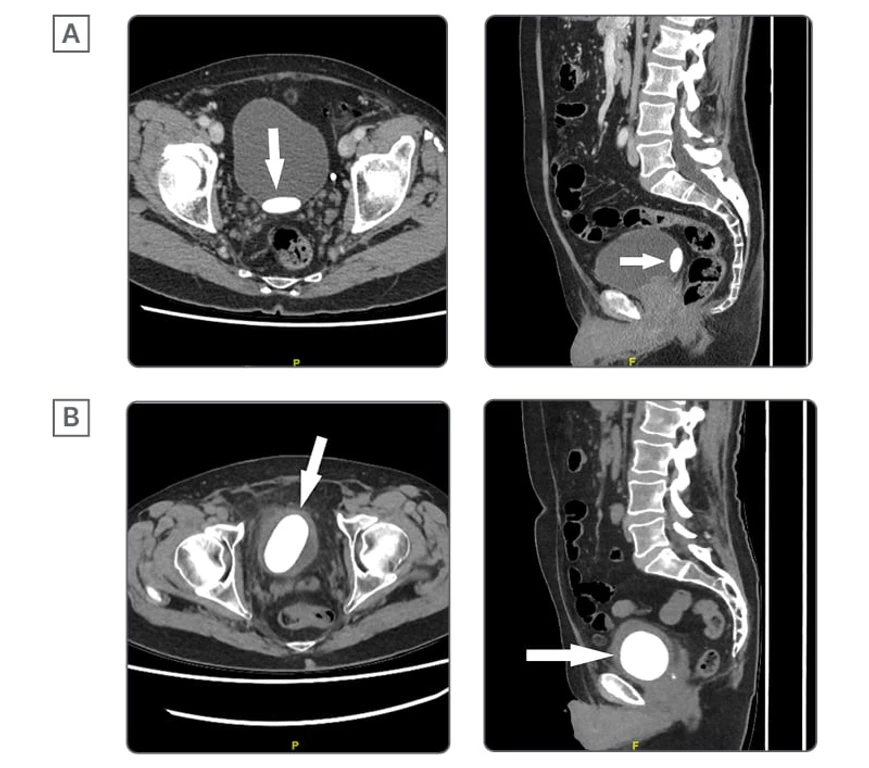
While the exact cause of bladder stone formation can vary, enlarged prostate and voiding dysfunction are common contributing factors, as seen in this patient. Dietary habits, such as insufficient fluid intake and specific food consumption, can also play a role, even in developed regions.
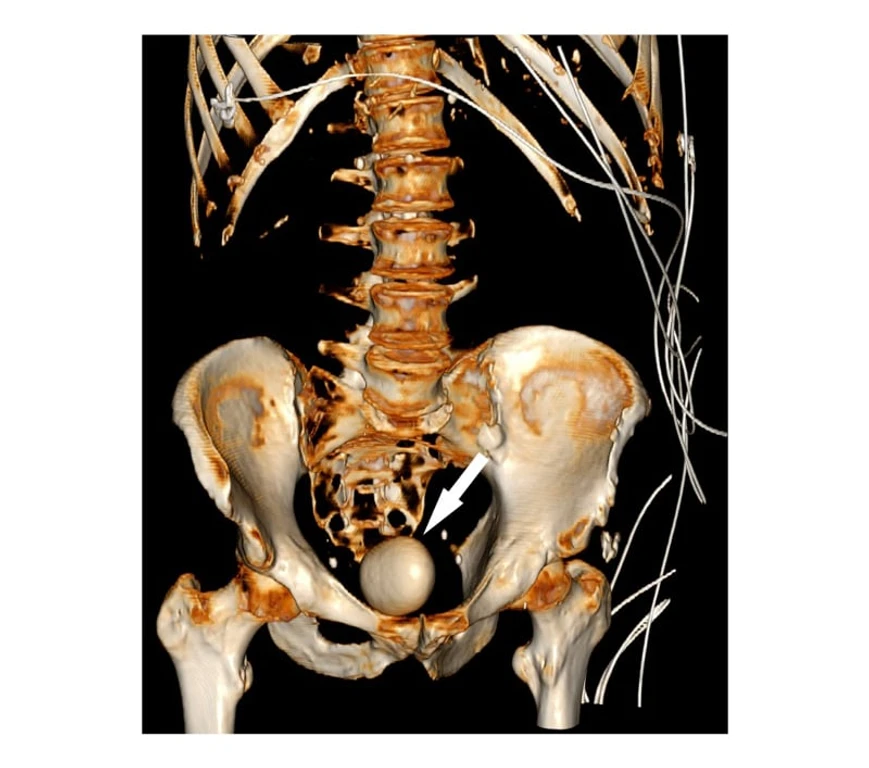
The estimated growth rate of the patient's stone was approximately 18 cm³ per year. Standard treatment options for bladder stones include transurethral cystolithotripsy or, for very large stones, open cystolithotomy. However, in this unique instance, the patient's refusal allowed clinicians to observe the stone's progression over three years without significant adverse complications, a scenario rarely documented.