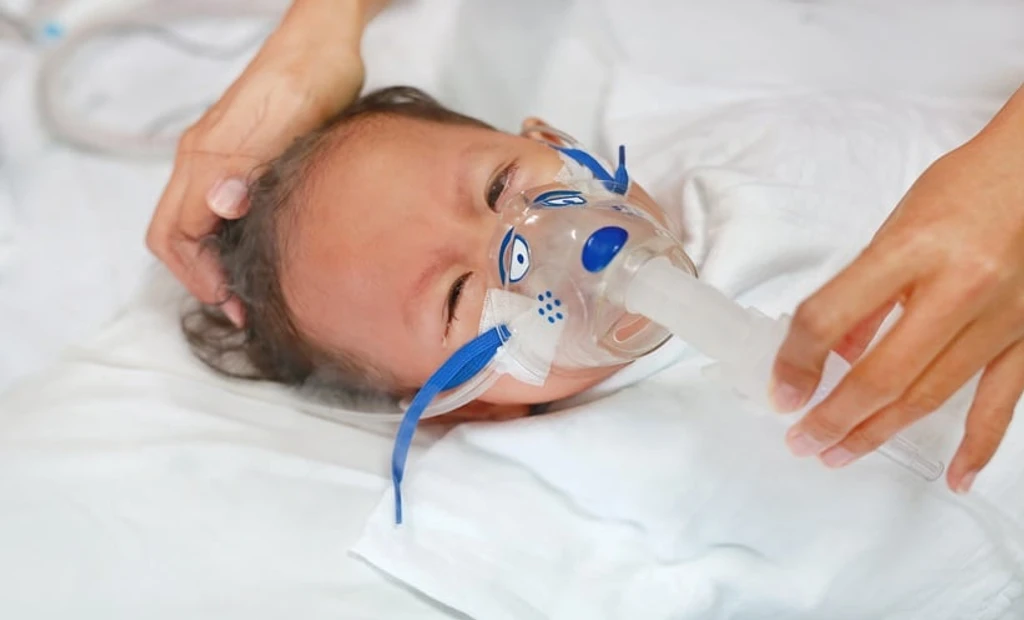
Nirsevimab was linked to significantly lower rates of RSV hospitalization and severe respiratory outcomes in infants compared to maternal vaccination with RSVpreF in mainland France.
A population-based cohort study analyzed 42,560 infants born between September and December 2024, comparing passive immunization with nirsevimab to maternal RSVpreF vaccination administered during weeks 32 to 36 of gestation. After matching by key demographics, 212 hospitalizations occurred in the nirsevimab group versus 269 in the maternal vaccine group.
Adjusted analysis showed nirsevimab reduced RSV-related hospitalization risk by 26%-an adjusted hazard ratio of 0.74. Benefits extended to intensive care: PICU admissions dropped 42%, ventilator use fell 43%, and oxygen therapy need decreased 44%.
These findings represent the first real-world comparison of both RSV prevention strategies used concurrently in France. Results held across subgroup and sensitivity analyses, reinforcing clinical validity.
The study underscores nirsevimab’s advantage in preventing severe infant RSV disease, offering clinicians a clear data point as both strategies scale across Europe and the U.S.