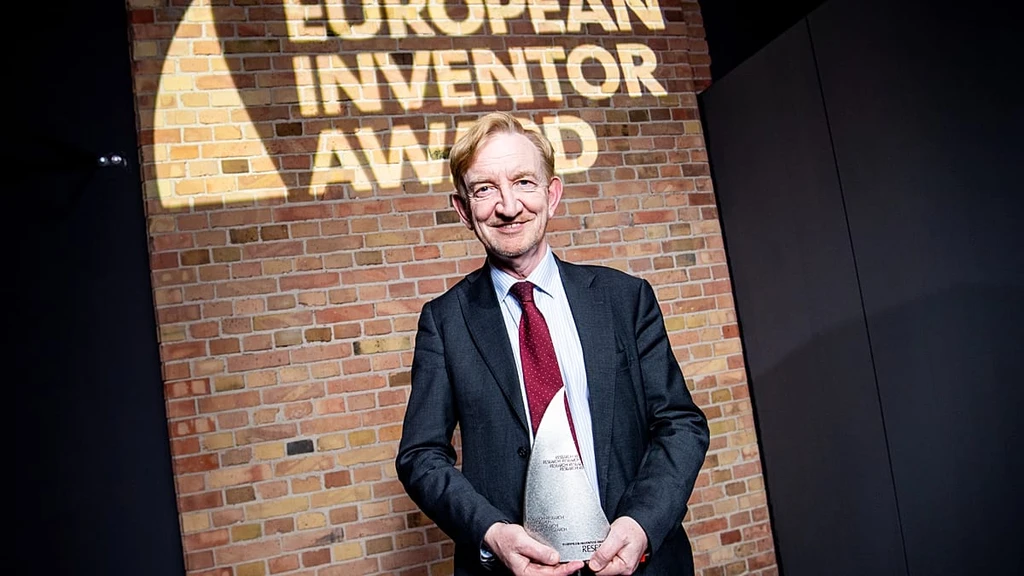
The next major pandemic is not a question of if, but when. That's the stark warning from Adrian Hill, a leading Oxford University vaccine scientist and winner of the 2026 European Inventor Award.
Speaking to Euronews, Professor Hill argues the world is better prepared than before COVID-19, largely due to one key lesson. The pandemic proved the scientific community can develop a new vaccine within a year, a timeline once considered unthinkable.
"Until then, we didn't know that. Even leading experts believed it would take several years," Hill said. He adds that new infrastructure allows for faster pathogen detection and rapid clinical trials, strengthening global readiness.
Hill is also optimistic about overcoming vaccine hesitancy, citing education as the ultimate remedy for disinformation.
The professor's award recognizes his development of the R21/Matrix-M vaccine, the first highly effective malaria vaccine. This breakthrough followed over thirty years of research where more than a hundred previous attempts had failed.
"We gradually learned to understand the parasite better and to choose the right target from about 5,000 genes," Hill explained. The resulting vaccine has an efficacy of around 80%.
According to the World Health Organization, malaria caused 610,000 deaths in 2024, with children under five accounting for most fatalities in Africa.
Hill emphasizes that diseases like malaria are not someone else's problem. In a globalized world, health crises spill across borders, making investment in global health a matter of everyone's security.