
A early-stage trial of an experimental immunotherapy drug shows promising results for patients with a specific type of bowel cancer. Researchers at University College London and UCL Hospitals report that all 32 participants remained cancer-free nearly three years after treatment.
The study focused on patients with stage 2 or 3 bowel cancer that has a genetic profile called MMR-deficient or MSI-high. This profile, present in about 10% to 15% of cases, makes tumors more vulnerable to immunotherapy. Instead of standard chemotherapy after surgery, patients received the drug pembrolizumab for up to nine weeks before their operations.
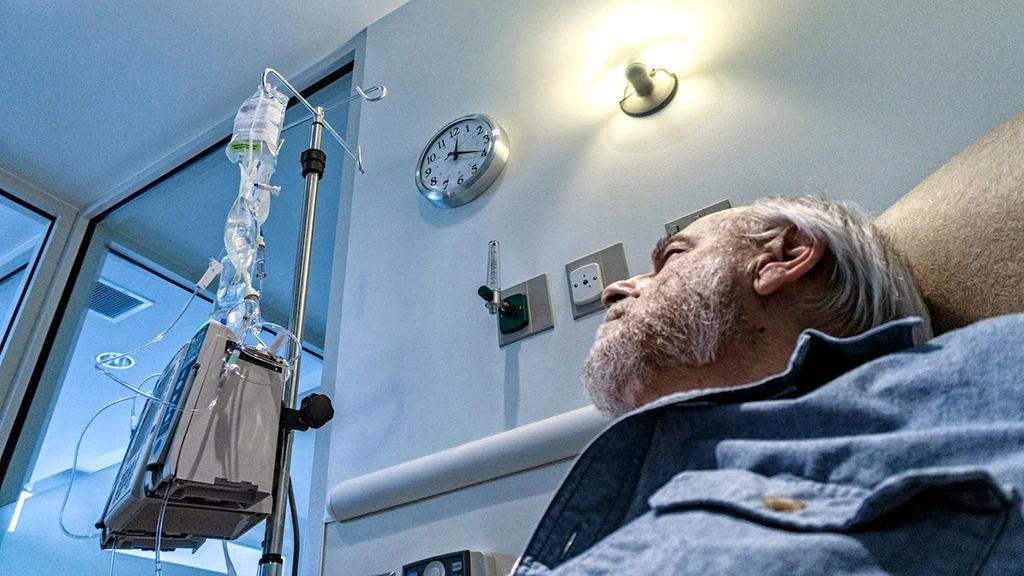
The results were striking: 59% of patients had no detectable cancer by the time of surgery. Thirty-three months later, none of the patients have seen a return of the disease. Chief investigator Dr. Kai-Keen Shiu called the results "extremely encouraging."

Researchers also used personalized blood tests to track tiny fragments of tumor DNA in the bloodstream, allowing them to predict which patients would respond. First author Yanrong Jiang noted that when tumor DNA disappeared from the blood, patients were much more likely to have no cancer remaining.

The study, presented at the AACR Annual Meeting in San Diego, has limitations. It was small, only 32 patients, and focused only on the MMR-deficient/MSI-high genetic subset. Longer follow-up is needed. But Dr. Shiu is optimistic about personalized care, saying, "We now may be able to predict who will respond using personalized blood tests and immune profiling."