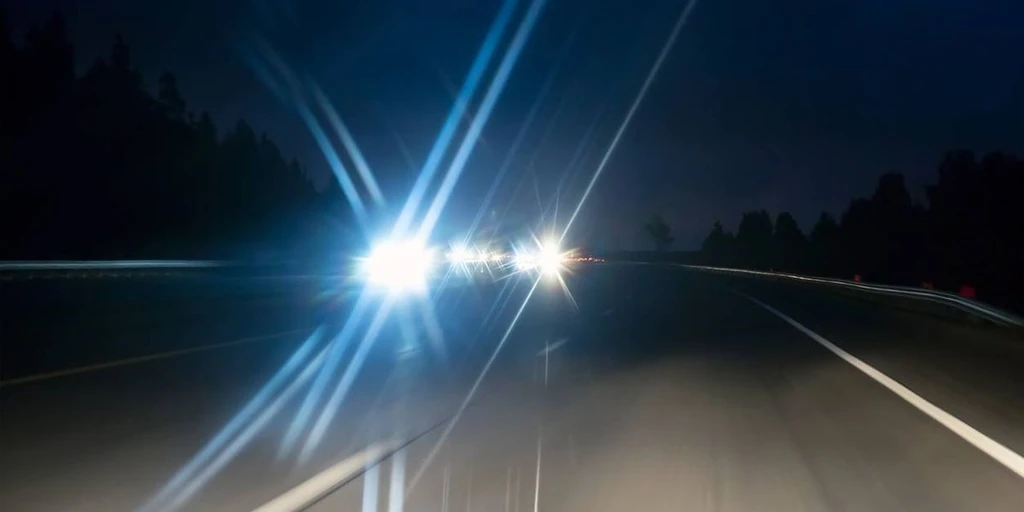
Dim Light Disturbances (DLD), previously known as night blindness, affect vision quality in low-light conditions. Symptoms include halos around lights, double vision, blurriness, starbursts, and glare disability. These issues arise when pupils dilate in darkness, amplifying imperfections in the eye's lens or cornea, leading to light scattering.
DLD can be a side effect of eye surgeries like LASIK, or conditions such as keratoconus, cataracts, and dry eye disease. Currently, there are no FDA-approved treatments, but promising research is exploring phentolamine ophthalmic solution eyedrops. These drops aim to constrict pupils, reducing glare and improving vision clarity. Early studies show positive results in decreasing symptoms.
While awaiting new treatments, accommodations can help manage DLD. These include regular eye exams, updating prescriptions, using anti-reflective coatings on glasses, treating underlying conditions like dry eye, improving home lighting, and dimming dashboard lights for safer driving. Anyone experiencing vision changes in low light should consult a healthcare provider.