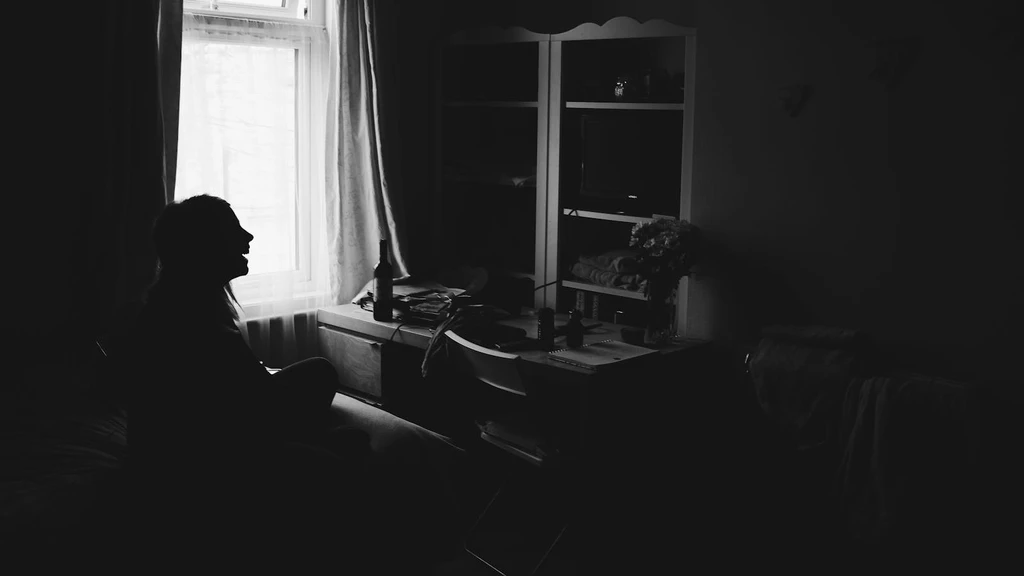
Children told they’re “too much” don’t become less. They become strategists-calculating in every room how much of themselves others can tolerate. This isn’t personality; it’s survival.
The message “you’re too much” teaches conditional belonging: only part of you is welcome. Love has a carrying capacity. Acceptance has a threshold. And the child learns never to exceed it.

These children don’t stop feeling. They meter their emotions-enthusiasm, sadness, need-with precision honed over decades. By adulthood, the calculations feel automatic, mistaken for ease or social fluency. But beneath the surface runs constant, invisible arithmetic.
In relationships, they offer 70%, believing 100% once drove caregivers away. The pattern often repeats across generations-not through malice, but inherited emotional limits. A parent praises a child for being “no trouble,” reinforcing that value equals invisibility.
The exhaustion is real but unseen. The opposite of rationing isn’t overwhelming others-it’s trusting that the right people can hold your full weight. Unlearning this requires letting the childhood algorithm fail: showing up fully and seeing who stays.
For those who’ve spent decades reading every room except the one inside their own chest, the final question isn’t “How much can they take?” It’s “Do I want to be where I must keep calculating at all?”