Each spring, physical therapists observe a rise in patients experiencing foot pain. This often stems from transitioning from heavily cushioned winter footwear to sandals and flip-flops, which fail to engage foot muscles.
This sudden shift can overload the plantar fascia, the thick band of tissue connecting the heel to the toes, leading to plantar fasciitis. Symptoms typically include sharp heel or sole pain, most acute with the first steps in the morning.
Approximately 10% of Americans will develop plantar fasciitis. While traditional treatments included rest, boots, or surgery, experts now increasingly recommend targeted exercises to strengthen the foot and leg muscles.
Podiatrists and physical therapists emphasize that exercises address the root movement issues, unlike treatments like icing or injections, which can sometimes cause further damage. Strengthening the fascia, much like muscles and bones, makes it more resilient. Exercises targeting the small muscles in the foot, along with the Achilles' tendon, ankle ligaments, hips, and glutes, can significantly improve gait and reduce strain on the plantar fascia.
While consulting a medical professional for diagnosis and personalized exercises is crucial, Dr. Jay Dicharry recommends the following moves to prevent recurrence or initial onset:
Warm Up: Before exercising, stand with feet hip-width apart. Place a firm, round object (like a lacrosse ball) under the outside edge of your foot. Rotate your pelvis and trunk gently for 90 seconds to relax the plantar fascia.
Pass Around: To correct weight distribution, stand on a slightly slanted board (one side elevated on a book or towel). Pass a light weight between hands for two minutes, then switch legs.
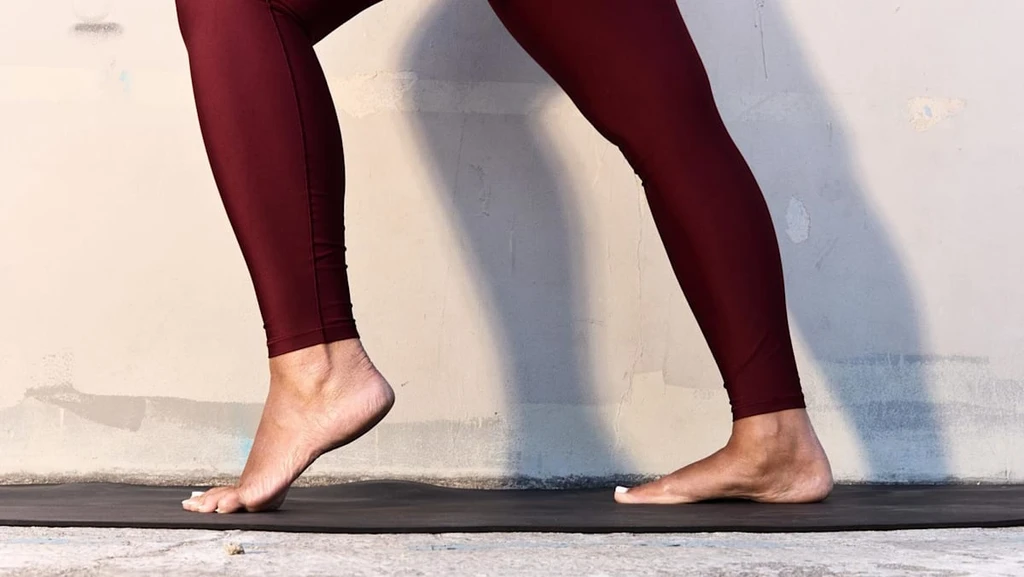
Advanced Calf Raises: To strengthen calf muscles and Achilles' tendons, place toes on a rolled towel against a wall, heel on the ground. Stand on one leg and slowly lift your heel for 2-3 seconds up and down. Aim for 25 repetitions per leg.
Tippy Twist: Enhance balance and foot control by balancing on one leg. Extend the non-supporting leg back and twist hips toward the floor, then up. Perform 40 repetitions per leg, using a chair for support if needed.