
A new study suggests that pre- and polyfluoroalkyl substances, known as ‘forever chemicals,’ may be accelerating aging in men, particularly those in their 50s and early 60s. However, experts caution that establishing a direct cause-and-effect relationship is complex.
Researchers utilized data from a U.S. health survey, measuring PFAS concentrations in blood samples. Findings indicate specific PFAS, like perfluorononanoic acid (PFNA), might contribute to epigenetic aging disparities in older populations, with middle-aged males at heightened risk. This highlights the need for better understanding of PFAS health effects and regulation.
Critics question the study's validity, citing limitations in sample selection and methodology, with some findings potentially being false positives. The American Chemistry Council described the research as exploratory, based on old data and a small sample size, emphasizing that it does not prove PFAS cause aging.
PFAS are thousands of human-made chemicals found in various products, from cosmetics to firefighting foams, known for their persistence in the environment. Exposure can affect multiple organs and systems, including the liver, kidneys, and immune system. While some countries are implementing bans, Canada is taking a phased approach to reduce PFAS exposure.
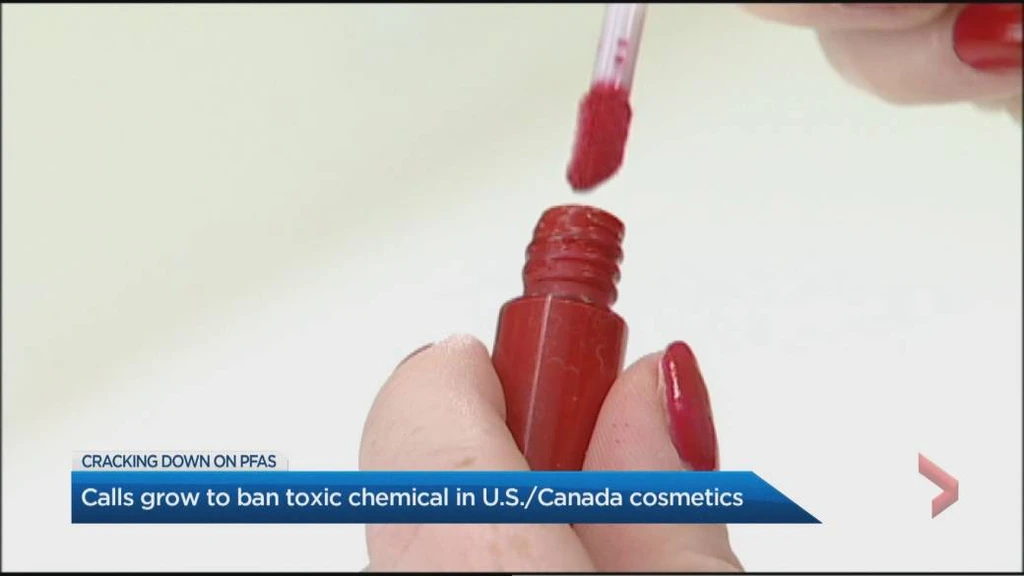
Efforts are underway globally to regulate PFAS, with France and the EU considering bans. Canada is prioritizing firefighting foams in its initial phase, with future plans to limit exposure in products like cosmetics and textiles. Reporting requirements for PFAS use are also being implemented to track contamination and reduce exposure.