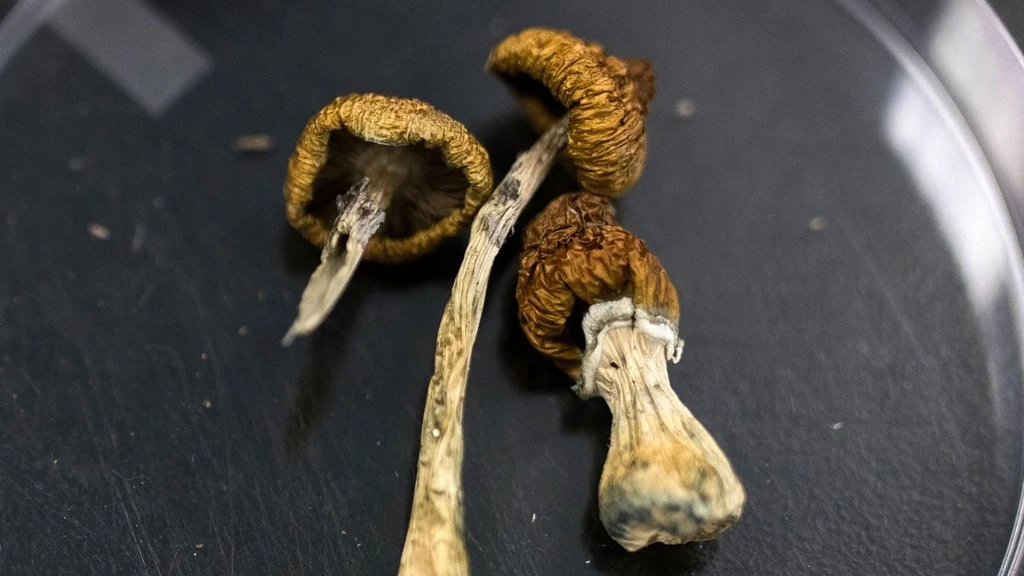
A new case study from Brazil suggests psilocybin, the psychoactive compound in magic mushrooms, may offer temporary relief for Alzheimer's symptoms. The report details an 80-year-old woman with advanced dementia who, after a high dose of 5 grams of psilocybin mushrooms, regained bladder control and the ability to speak beyond monosyllables for several weeks.
Under clinical supervision, the patient entered a deep sleep-like state. Roughly 19 hours later, she began talking to herself, and over subsequent days, showed improved mobility, bladder control, and social engagement. A second 3-gram dose a month later saw her remain verbally expressive, describing vivid scenes and showing improved mood and gait.
The researchers caution the findings do not indicate a reversal of Alzheimer's pathology but suggest that latent functional capacities may become temporarily accessible under specific neuromodulatory conditions. The study is exploratory and lacks standardized cognitive assessments, but it calls for further controlled investigation.
Current clinical trials are already exploring psilocybin for depression and cognitive decline in older populations. At the University of Sao Paolo, neuroscientist Marcos Lago led the study, published in Frontiers in Neuroscience.