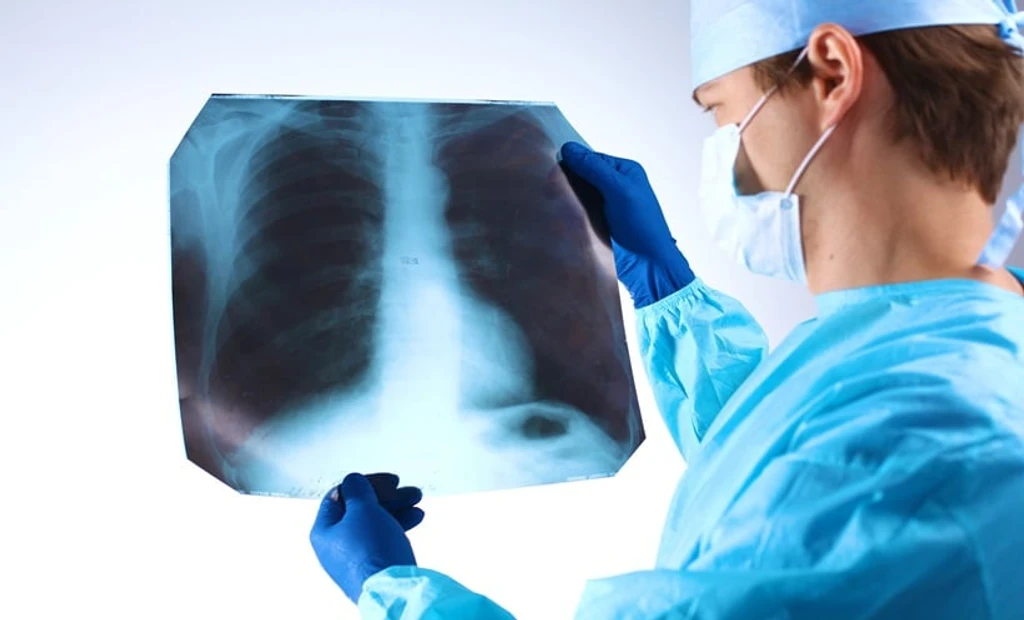
Artificial intelligence is transforming pulmonary nodule assessment on CT scans. A recent clinical trial evaluated DeepFAN, a transformer-based AI model, demonstrating significant improvements in diagnostic performance.
DeepFAN, trained on over 10,000 pathology-confirmed nodules, achieved a diagnostic area under the curve of 0.954 in a clinical trial. Explainability analysis showed that global imaging features were more critical for accurate classification than local ones.
The trial focused on human-AI collaboration, especially with junior radiologists. When assisted by DeepFAN, reader accuracy increased by 10.0%, sensitivity by 7.6%, and specificity by 12.6%. Diagnostic consistency also improved, moving from fair to moderate inter-reader agreement.
This AI-assisted approach has practical implications, potentially reducing unnecessary follow-up imaging and invasive procedures by increasing confidence in nodule classification. Transformer-based AI models like DeepFAN show promise for supporting radiologists, particularly in high-volume settings.