After more than a century, one of the most common hormone disorders in the world has a new name. Polycystic ovary syndrome (PCOS) will now be known as polyendocrine metabolic ovarian syndrome (PMOS), according to a global science consortium.
The change was announced at the European Congress of Endocrinology in Prague, following 14 years of collaboration between healthcare experts, patients, and advocates. The new name removes the 'C' for 'cystic,' a term that has been described as inaccurate and potentially harmful.
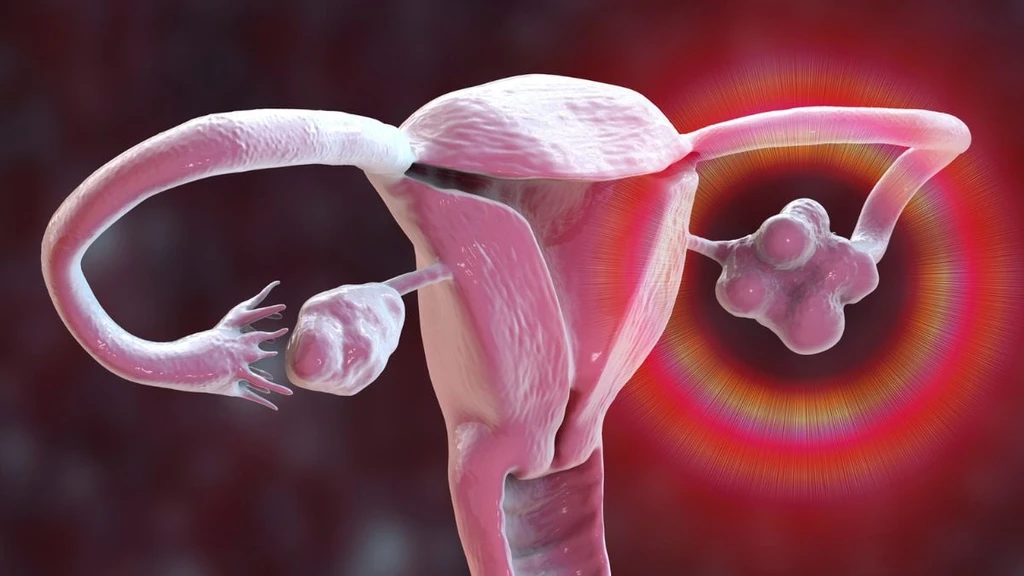
The term PCOS originated in 1935 when surgeons Irving Stein and Michael Leventhal described cyst-like structures on the ovaries of infertile women. However, those structures are actually underdeveloped ovarian follicles, not cysts that require surgical removal. Many patients with PMOS don't even show these immature eggs on ultrasounds.
PMOS affects approximately 170 million people worldwide, with up to 70 percent going undiagnosed. The syndrome is associated with irregular periods, abnormal ovulation, excess hair growth, acne, infertility, and significant metabolic issues including insulin resistance, which affects up to 85 percent of patients. The new name aims to highlight these broader health impacts beyond the ovaries.
The terms PCOS and PMOS will remain interchangeable for the next three years as the consortium works to educate the public and encourage international classification bodies, including the World Health Organization, to adopt the updated name.