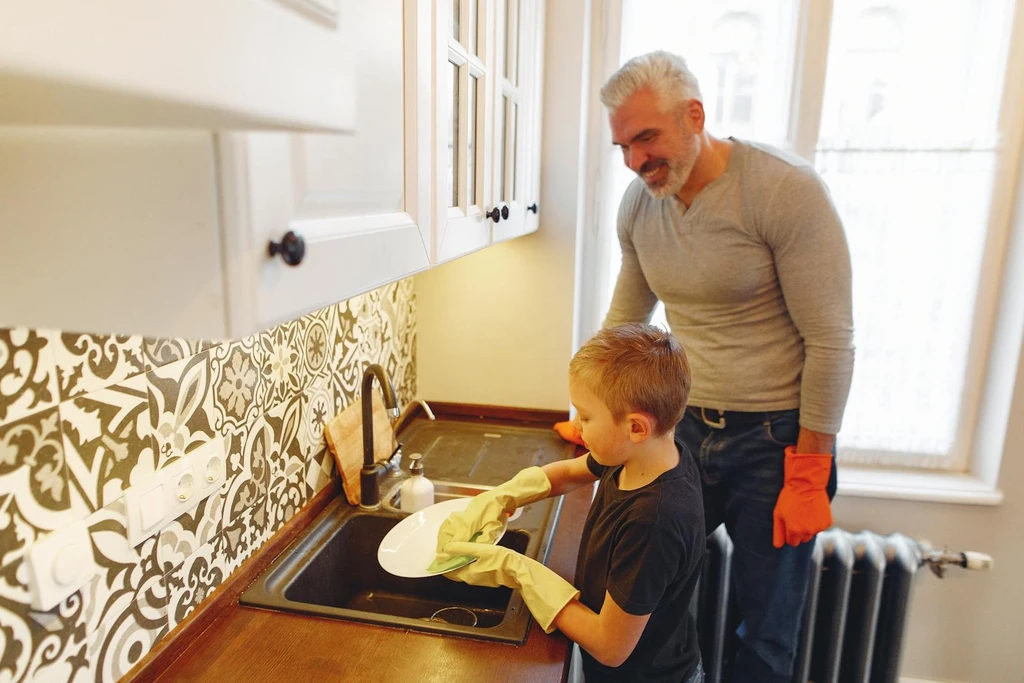
The guest who always offers to carry the platter or load the dishwasher is often praised as thoughtful. But for some, this behavior isn't just good manners-it's a survival strategy learned in childhood.

Psychologists say the key difference is whether you can stop. Children raised in homes where welcome was unconditional can relax after helping. Those raised with conditional welcome often can't-their nervous system signals danger when idle.
The pattern develops early. If warmth came only in response to doing, the child learns that being isn't enough. That internal map persists into adulthood, driving compulsive helpfulness even when no one expects it.
Berlin-based psychotherapist Ghazaleh Bailey noted in a viral clip that these behaviors often stem from emotional neglect or survival-oriented parenting. The behavior looks polished but masks a deeper exhaustion.
Healing is slow. It involves allowing yourself to be a recipient, sitting through discomfort, and learning that welcome isn't contingent on productivity. The alarm eventually quiets-but only with practice.