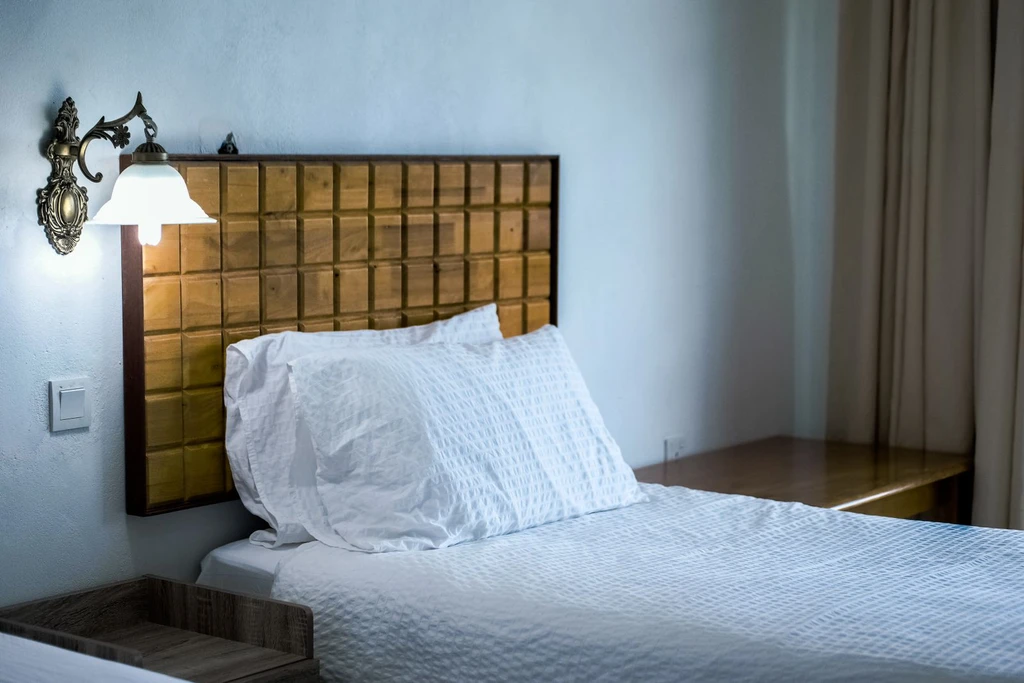
It is 2:17 a.m. in an unfamiliar hotel room. You wake briefly, expecting the familiar chest tightening that accompanies nocturnal awakenings at home. It does not come. The difference is not the thread count or blackout curtains. The mechanism is cognitive.
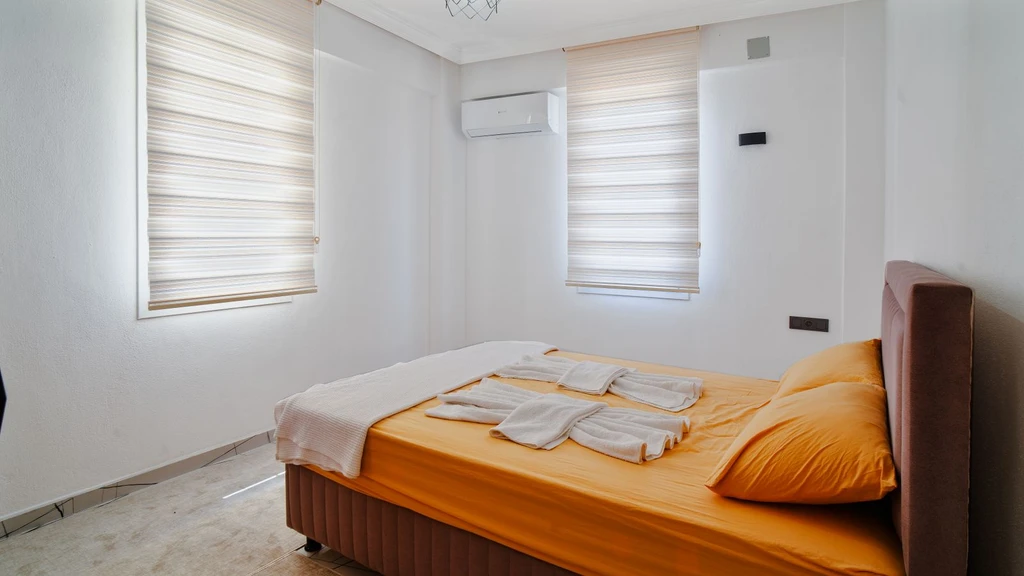
A 2025 systematic review in Scientific Reports confirms that effective sleep interventions for middle-aged adults target mental load rather than bedroom engineering. Hotels accidentally perform this cognitive work by removing environmental cues. There is no half-finished tax folder, laundry basket, or stack of avoided mail. The room contains nothing waiting for your attention.
Psychologists call this the Zeigarnik effect. Unfinished tasks remain active in conscious awareness like open browser tabs draining memory. By the late forties, these open loops reach a lifetime peak involving aging parents, career plateaus, and deferred household decisions. At home, every surface serves as a cue reactivating unresolved problems.
Cognitive scientist Luc Beaudoin describes sleep onset as a competition between problem-solving vigilance and dreamlike drifting. For many professionals, the home bedroom has become a dense concentration of unfinished business. This occurs precisely when deep slow-wave sleep declines and the margin for cognitive error narrows. Short sleep duration in midlife correlates with increased dementia risk later in life.
Hotel rooms function as accidental cognitive interventions through three mechanisms. They strip away task cues that trigger the Zeigarnik effect. They remove responsibility for maintenance. They offer a temporary identity as a traveler with no obligations to fix anything tonight.
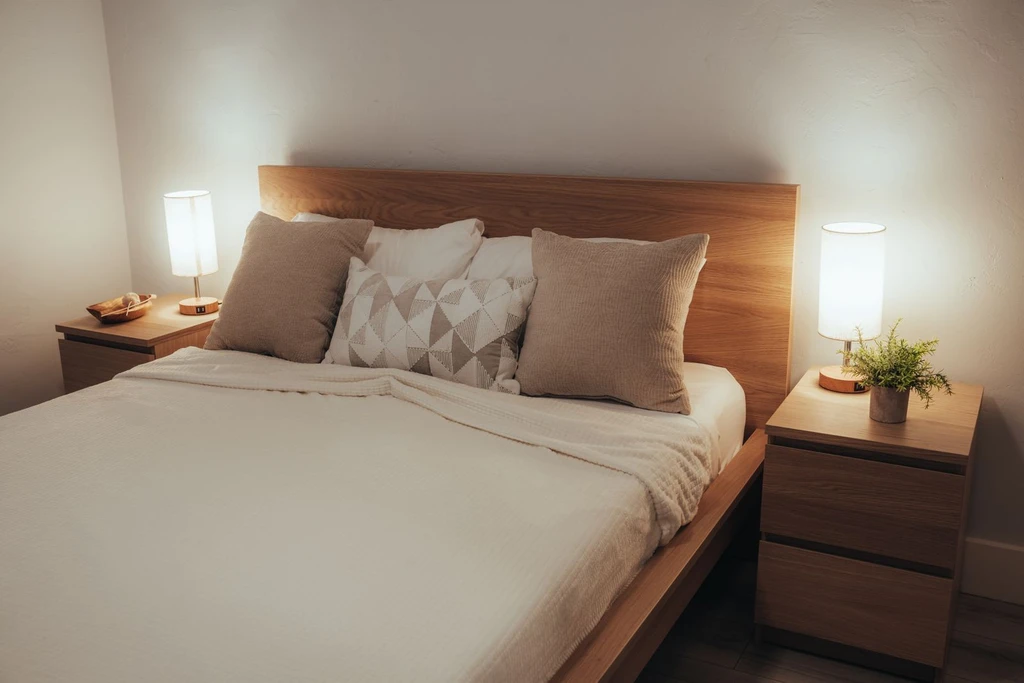
This relief hits hardest for high-responsibility individuals who unconsciously monitor their environment. For these adults, home contains emotional task cues alongside physical ones. The nervous system remains vigilant until placed in a space requiring no watchfulness.
Replicating this at home requires addressing the architecture of unfinished business. Cognitive shuffling occupies the bandwidth otherwise used for problem-solving. Constructive worrying involves writing down concerns with provisional next steps to formally close mental loops before bed. Research warns against relying on benzodiazepines or Z-drugs, which reduce deep sleep and disrupt memory consolidation without resolving underlying cognitive load.
The ultimate benefit of hotel sleep is being briefly off-duty from one’s own life. While you cannot fully transform a home bedroom into a hotel, you can reduce cue density. Keep work debris out of sleeping spaces. Perform a ten-minute brain dump to log nagging items. Protect the principle that the bedroom is not a control tower. The goal is not to replicate the room, but to replicate the permission to rest.