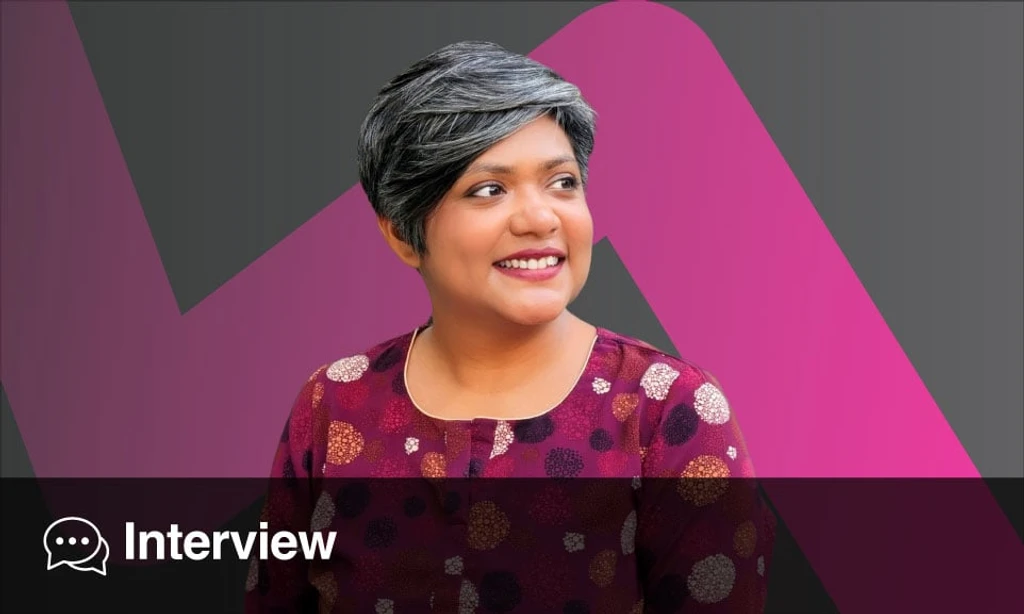
Dr. Senjuti Saha returned to Bangladesh after earning her PhD in Canada, inspired by her parents’ public health work and driven to bring genomic science home. She joined the Child Health Research Foundation (CHRF) in Dhaka and spearheaded the creation of a state-of-the-art genomics center-the first of its kind in the country led by a non-governmental institution.
The initiative faced steep logistical hurdles: skeptical donors, high reagent costs due to import markups, limited access to scientific literature, and persistent brain drain. Yet when the pandemic hit, CHRF’s local sequencing capacity proved vital-delivering Bangladesh’s first SARS-CoV-2 genome without relying on foreign labs.
Saha now advocates for an “empowered spoke” model of global surveillance, where LMIC labs operate independently but collaboratively, generating data that directly informs local interventions-from typhoid vaccines to antimicrobial resistance tracking.
Through her “Building Scientists for Bangladesh” program, she trains students in hands-on genomics, bridging gaps left by outdated curricula. Looking ahead, CHRF is expanding into host-pathogen research, probing why diseases like RSV prove far deadlier in low-resource settings despite identical viral strains.
Her mission: science by and for the many-not just those in wealthy nations.