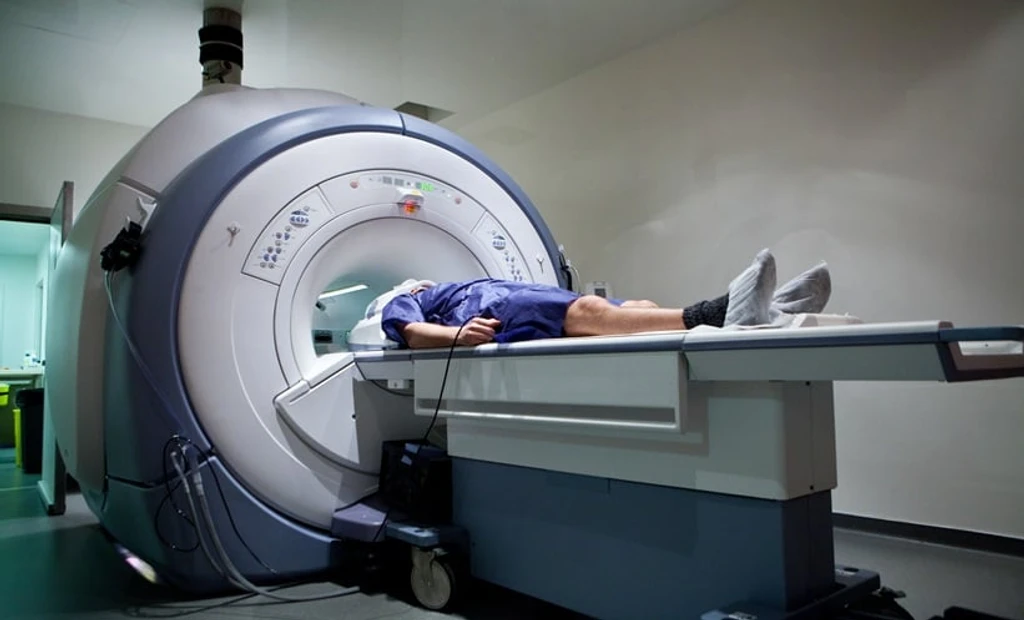
A new analysis reveals that larger prostate glands are linked to significantly lower prostate cancer detection rates when using MRI-ultrasound fusion biopsy.
Researchers studied data from over 1,200 patients who underwent the procedure between 2014 and 2023. They found a clear trend: as prostate volume increased, the chance of finding cancer decreased.
For prostates smaller than 30 milliliters, the overall cancer detection rate was 82.3%. This rate fell to just 28.9% for glands measuring 120 milliliters or more. The drop was even more pronounced for clinically significant cancer, falling from 59.4% to 24.4%.
The pattern held true across all PI-RADS categories, the standard scoring system for lesions seen on MRI. This suggests larger prostates may reduce the sensitivity of this advanced diagnostic tool.
The study's authors conclude that gland size must be considered when planning a fusion biopsy. They note that larger prostates present anatomical challenges, potentially requiring adapted sampling techniques to improve accuracy and reduce missed diagnoses.
These findings underscore the need for personalized diagnostic strategies for men with enlarged prostates suspected of having cancer.