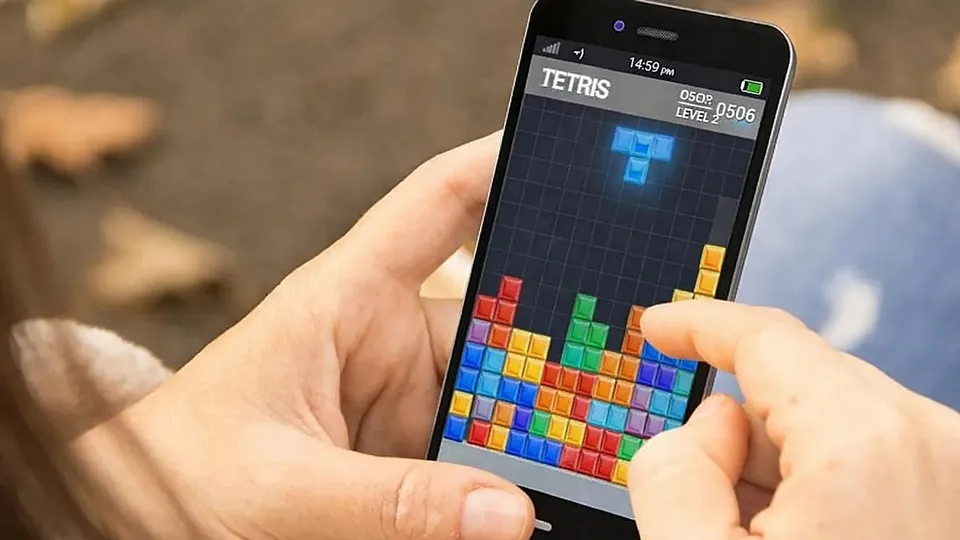
New research indicates that playing the video game Tetris can effectively alleviate intrusive memories associated with trauma, a key symptom of post-traumatic stress disorder (PTSD).
The treatment, known as Imagery Competing Task Intervention (ICTI), was developed by researchers at Uppsala University in collaboration with P1vital, and trialed with the Universities of Cambridge and Oxford. It targets the vivid, unwanted recollections that can persist long after a traumatic event.
Psychological trauma, such as witnessing violence or experiencing a life-threatening event, can lead to intrusive memories, often manifesting as involuntary visual flashbacks. "Even a single, fleeting intrusive memory of past trauma can exert a powerful impact in daily life by hijacking attention," stated study lead Emily Holmes, professor of psychology at Uppsala University.
The intervention works by occupying the brain's visuospatial processing areas, directly competing with the visual components of traumatic memories. This process aims to reduce the vividness, emotional impact, and frequency of these flashbacks.
In a study involving healthcare workers who experienced workplace trauma during the COVID-19 pandemic, participants using ICTI saw a dramatic reduction in intrusive memories, dropping from an average of 14 per week to just one per week at four weeks. This was a tenfold decrease compared to control groups.
Six months post-trial, 70 percent of individuals in the ICTI group were free from intrusive memories. The treatment also showed broader benefits, improving anxiety, depression, and overall daily functioning.
The ICTI involves participants briefly recalling a traumatic memory, followed by a 20-minute session of playing Tetris. The game's mechanics, requiring players to mentally manipulate and fit shapes, engage the same cognitive functions involved in visual flashbacks, thereby disrupting their consolidation and recall.