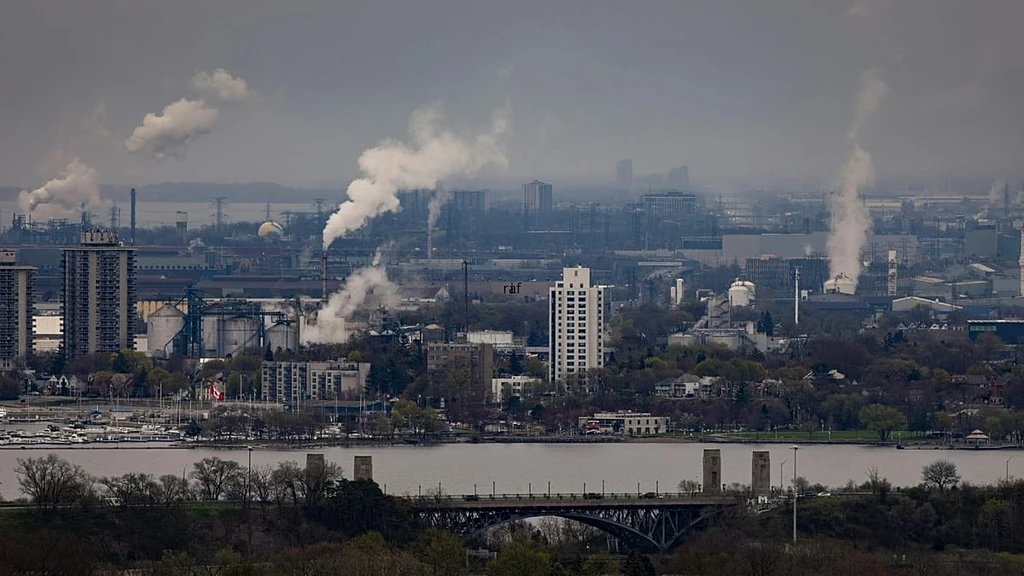
A stark warning from the European Environment Agency (EEA) highlights pollution's significant role in mental health conditions. Exposure to air pollution, noise, and toxic chemicals is increasingly linked to depression, anxiety, and other disorders. The agency stresses the urgent need for drastic action, noting that even minor pollution reductions can lead to substantial mental health improvements.
Evidence shows prenatal and childhood exposure to air pollutants like fine particulate matter (PM2.5) and nitrogen dioxide (NO2) can cause structural and functional brain changes. High pollution levels are also associated with increased rates of depression and can worsen schizophrenia symptoms.
Environmental noise, particularly from road traffic and aircraft, triggers stress responses, inflammation, and oxidative stress, exacerbating mental health issues. A 10dB increase in noise levels correlates with a rise in depression and anxiety risk, with aircraft noise showing the strongest association.
Chemical exposures, including lead, second-hand smoke, and pesticides, are also linked to depression, schizophrenia, and anxiety. Prenatal exposure to endocrine disruptors like bisphenol A has been associated with childhood depression and anxiety.
In Europe, one in six individuals lives with a mental health condition, with many not receiving adequate treatment. The burden of mental health disorders is significant and projected to rise, particularly among young and vulnerable populations.