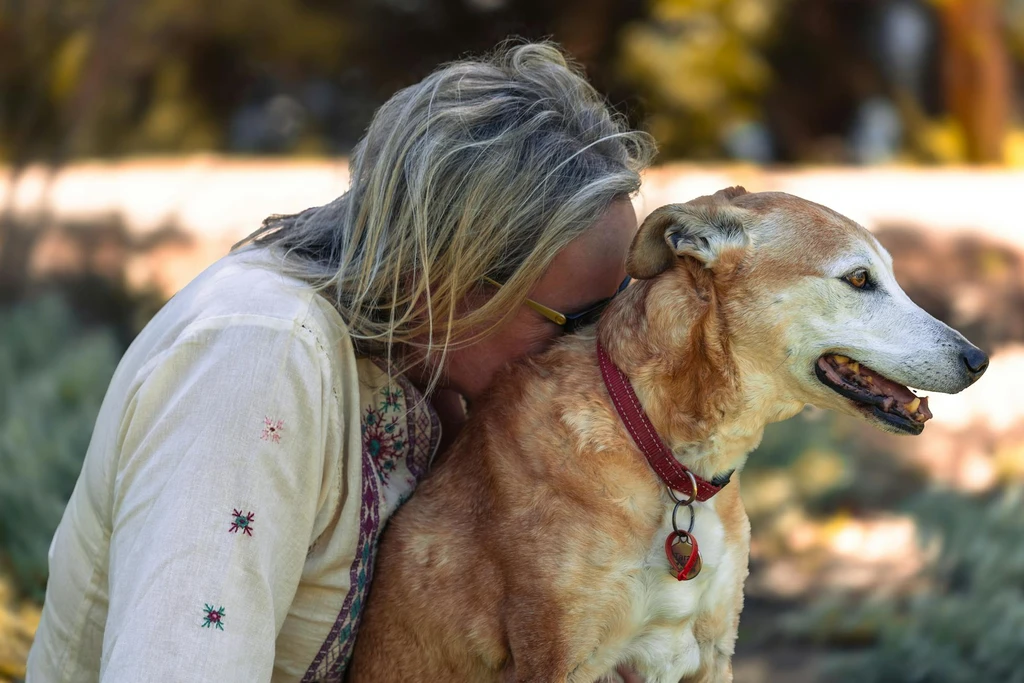
The intense grief experienced when a dog passes away often surpasses expectations, as these animals witness a private self that humans rarely see. Psychologists note that this profound sorrow isn't disproportionate; it accurately reflects the depth of the bond.
Unlike human relationships, which often involve curated versions of ourselves, dogs observe our unguarded moments - our vulnerabilities, quirks, and raw emotions - without judgment or condition. They are present for our entire unedited existence, requiring no performance or pretense.
This unique role as a witness explains why losing a pet can feel more impactful than losing a human loved one for some. The dog doesn't just offer unconditional love; it offers unconditional presence, a constant, non-evaluative observer of our lives. This consistent, non-judgmental witnessing forms a deep connection, particularly for adults who may not have such relationships with other humans.
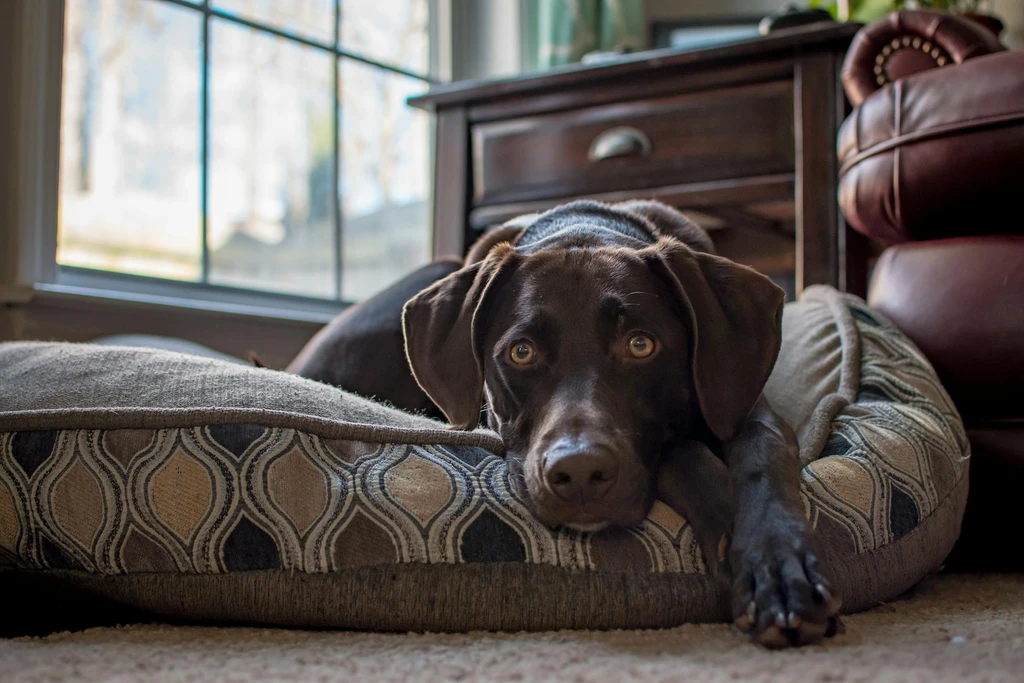
The physical absence of a dog also leaves a significant void. Their presence is woven into the fabric of daily routines and physiological rhythms, acting as a co-regulator for our nervous systems. The loss disrupts these deeply ingrained patterns, leading to a prolonged period of recalibration to their absence.
The true loss when a dog dies is not merely the animal, but the unique witness to our private lives. This profound connection, often overlooked by societal grief rituals, highlights how pets can become crucial containers for our most vulnerable selves, especially when other human relationships do not fulfill this role.