
Rectal cancer deaths are increasing at a rate two to three times faster than colon cancer among Americans aged 20 to 44. Researchers warn this trend will escalate without a shift in treatment.

Analysis of death records from 1999 to 2023 indicates that rectal cancer mortality is projected to climb through 2035, particularly in older millennials (35-44).
Hispanic adults and residents of Western states have seen the steepest rise in rectal cancer deaths. The research highlights a growing problem in younger individuals, with colorectal cancer no longer considered predominantly a disease of older adults.
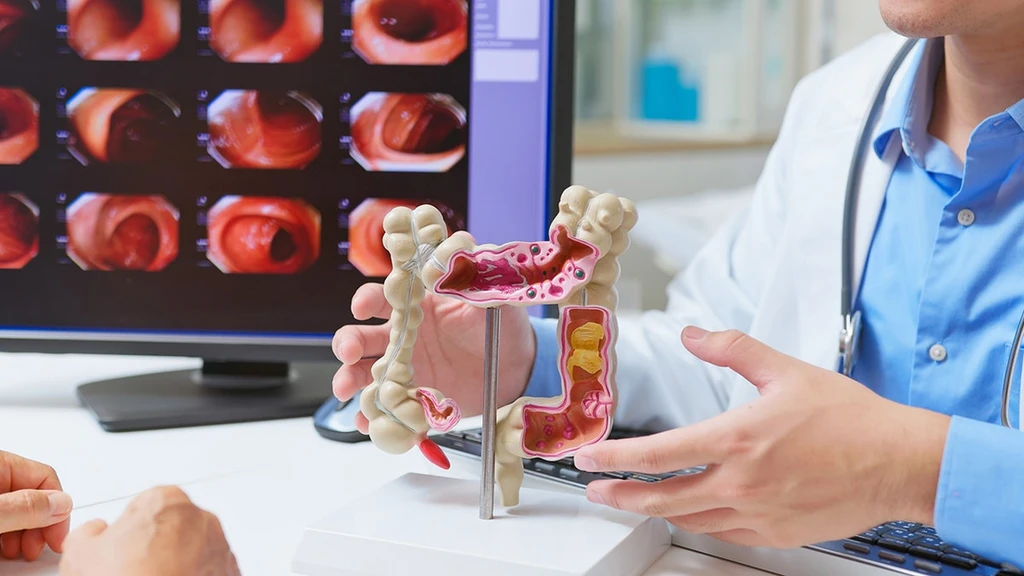
A significant concern is the diagnostic delay for younger patients, who often experience symptoms for an average of seven months before treatment begins, compared to one month for older adults. Primary care providers may misattribute symptoms like rectal bleeding or changes in bowel habits to benign conditions.
Experts suggest a combination of lifestyle factors, environmental exposures, diet, and changes in the gut microbiome may be contributing to the rise. Current screening strategies may require reevaluation, as rectal cancer is driving much of the increase in overall colorectal cancer deaths.