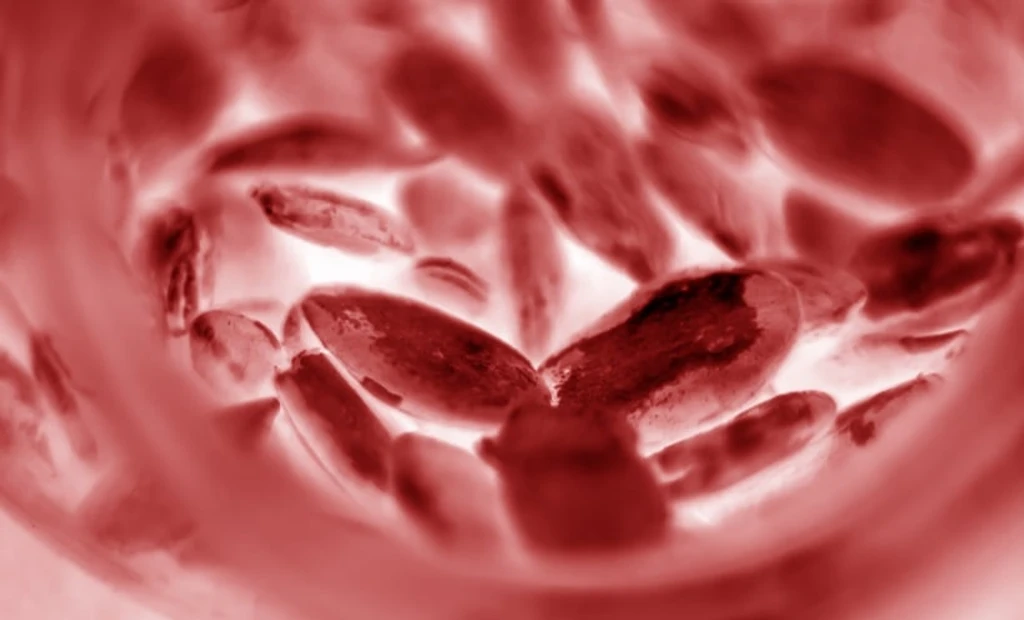
New research indicates red blood cells (RBCs) function as a primary glucose sink during hypoxia, offering potential new avenues for diabetes treatment.
Studies confirm that higher altitudes are linked to a reduced risk of diabetes. In low-oxygen environments, RBCs metabolize sugar from the bloodstream, allowing for faster oxygen delivery and lower blood sugar levels. Early 20th-century research observed improved glucose tolerance in volunteers at extreme altitudes.
Hypoxia significantly enhances glucose tolerance, a benefit that can last for weeks. Mice exposed to low oxygen produced more RBCs, increasing glucose uptake and improving tolerance. Researchers identified hypoxia-induced RBCs as the main factor in lowering blood sugar.
While the study focused on young male mice, limiting its generalizability, the mechanism for increased glucose transporters in RBCs under hypoxia is a key finding.
A novel drug, HypoxyStat, a small-molecule hypoxia mimetic, has shown promise in mouse models of Type 1 and Type 2 diabetes, effectively reversing hyperglycemia. This discovery positions RBCs as critical regulators of systemic glucose metabolism, with HypoxyStat emerging as a potential therapeutic for hyperglycemic disorders.