
A landmark study analyzing nearly 140,000 IVF embryos has identified specific genetic variations that significantly influence a woman's risk of miscarriage due to chromosomal errors. Researchers from Johns Hopkins University found that common variants in genes controlling chromosome pairing and recombination during egg cell formation-particularly the SMC1B gene-are strongly linked to aneuploidy, a leading cause of pregnancy loss.
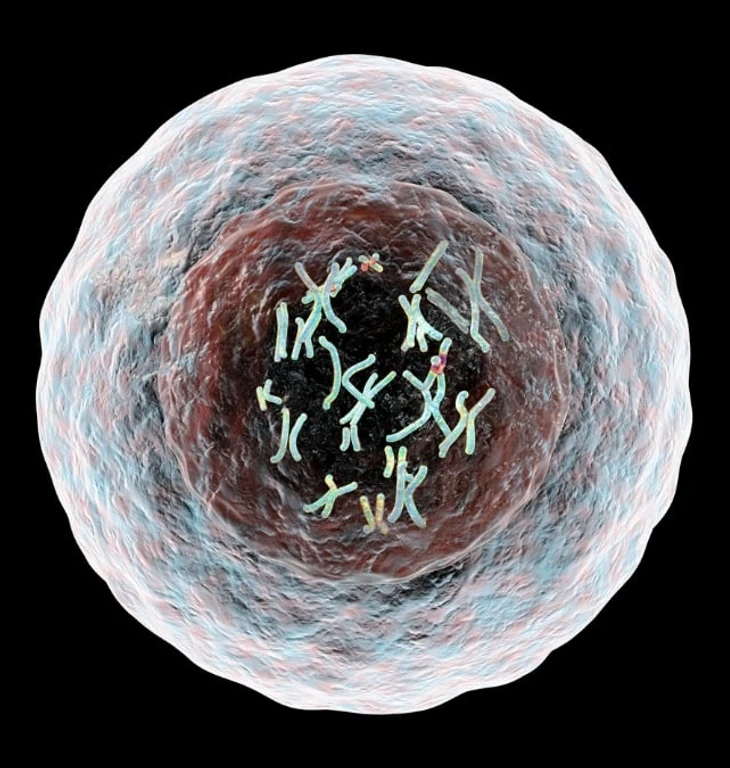
The study, published in Nature, analyzed clinical data from over 22,000 sets of biological parents and identified 92,485 aneuploid chromosomes among the embryos. While maternal age remains the strongest risk factor, this research reveals that inherited genetic differences in meiotic processes also play a critical role, setting the stage for errors when eggs mature later in life.
Senior author Rajiv McCoy stated that these findings provide the clearest evidence yet of the molecular pathways behind chromosomal errors, potentially opening the door for future advances in reproductive genetics and fertility treatments. However, predicting individual risk remains complex due to other factors like environmental exposures.