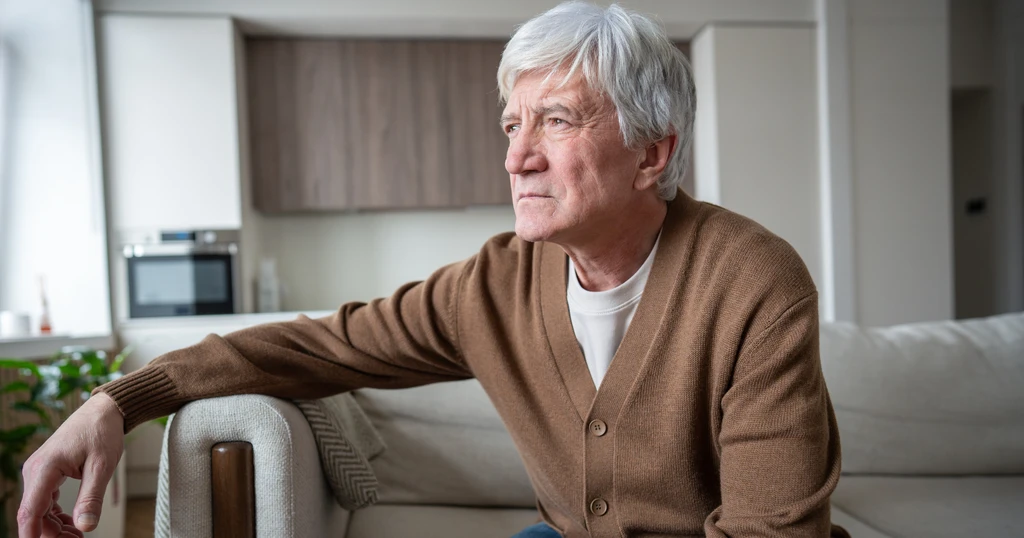
The silence after a long career ends can be profound. Many retirees expect to miss their jobs, but the greater shock is often the disappearance of colleagues. These relationships, once central to daily life, often fade because they were tied to work structures, not genuine friendship.
Research indicates that newly retired individuals frequently report increased loneliness. This isn't a feeling of being unloved, but a realization that social connections were built on shared workplace contexts like offices and break rooms. When work ends, these relational scaffolds collapse, revealing a lack of deeper intimacy.
Studies show that work-related social ties diminish significantly post-retirement, replaced by family connections. This transition can be jarring, moving from a known social network to a quieter environment with fewer interactions. Many confuse professional proximity with true friendship, a phenomenon Arthur C. Brooks terms "deal friends."
This social isolation has serious health consequences. Research links it to increased risks of high blood pressure, heart disease, anxiety, depression, and cognitive decline. Over half of the physical health decline associated with retirement can be attributed to the shrinking social network.
The good news is that this loneliness is not permanent. Meaningful social roles, such as volunteer work or club participation, significantly improve social connectedness. Actively building new structures and investing in pre-existing, non-work friendships is crucial. Retirement demands a deliberate, intentional effort to build a new social world, treating it as important work for the second half of life.