For decades, the conventional wisdom about retirement warned of boredom. The solution, according to the standard advice, was activity: hobbies, clubs, volunteering, travel. Fill the empty hours.
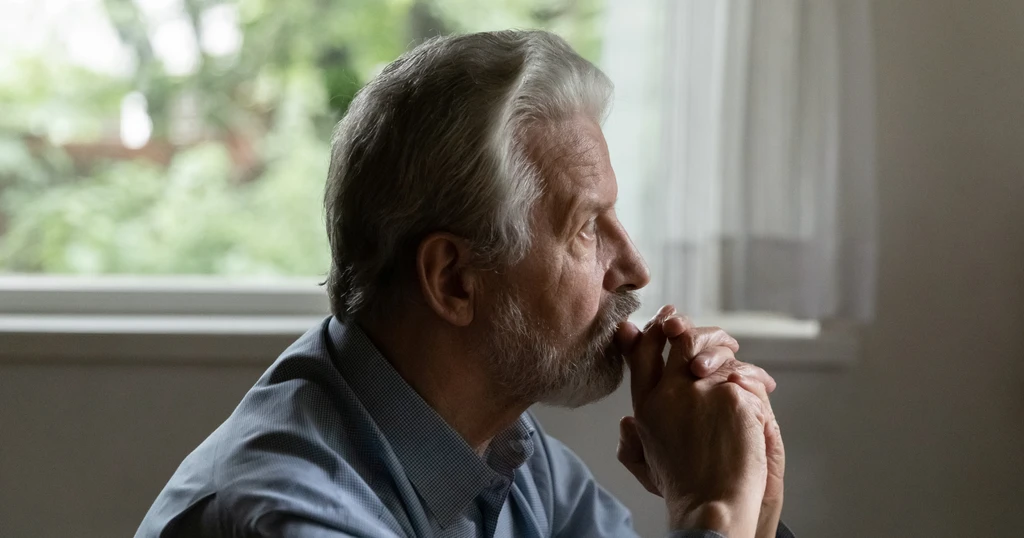
But listening to people in their first year or two out of the workforce reveals a different reality. The hours are not the problem. The real challenge surfaces at seven in the morning, when it's quiet, and there's nowhere to be. Old feelings emerge-about a parent, a marriage, a child, a choice made twenty years ago. Feelings work had been holding at a distance.
Sociologist Robert Atchley documented this transition in phases. After the initial 'honeymoon' of relief and freedom, a 'disappointment phase' often follows. Freedom feels like uncertainty. The structure that organized a life is gone.
Author and therapist Annie Wright explains that work is an exquisitely effective tool for 'experiential avoidance.' A demanding job provides cognitive absorption and social legitimacy. It temporarily interrupts emotional processing. When the job ends, the structure ends, and the mind finally begins processing what it has been carrying.
The natural impulse is to fill the time again-the 'busy ethic' gerontologist David Ekerdt described. But that just builds a new scaffold around the unresolved feelings.
The retirees who navigate this most cleanly allow the silence to stay. The feelings are not pathology. They are the backlog of a life lived faster than it could be processed. What follows, per Atchley, is 'reorientation'-a more honest relationship with life.
The most important mornings are often the hardest: the first moments of quiet in a working lifetime, when long-postponed conversations can finally begin.