
Researchers at the University of California, San Diego, have identified a potential molecular switch that explains why some individuals with Alzheimer's disease show no cognitive decline. Despite the characteristic buildup of amyloid-beta and tau proteins in the brain, an estimated 20 to 30 percent of older adults remain mentally sharp.
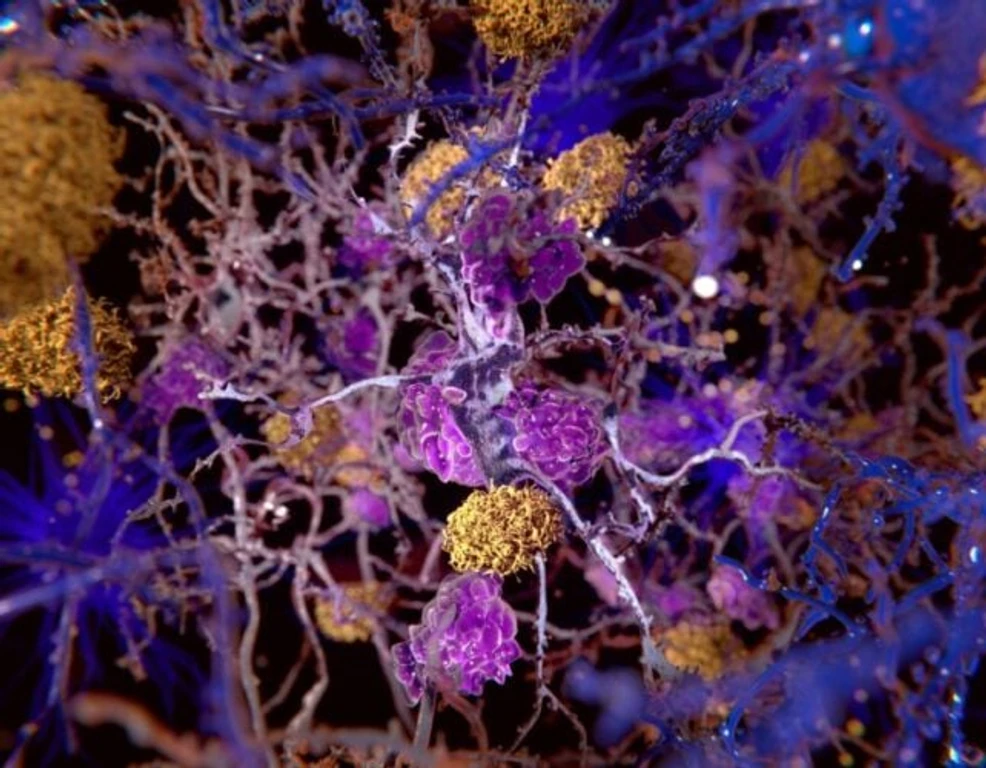
Utilizing AI-powered analysis of genetic data from postmortem human brains, scientists pinpointed the protein chromogranin A (CgA) as a critical factor. Studies in mice lacking CgA demonstrated that they developed Alzheimer's hallmarks without the associated cognitive symptoms. This suggests CgA may amplify the toxic effects of protein buildup.
Intriguingly, sex differences were observed, with female mice showing even fewer Alzheimer's-related brain damages when CgA was absent. While the exact mechanisms are still under investigation, these findings provide a significant framework for understanding cognitive resilience and developing new therapeutic strategies for Alzheimer's.