
A landmark study analyzing more than 1.25 million blood cells has uncovered why autoimmune diseases like lupus and multiple sclerosis disproportionately affect women.
Researchers at the Garvan Institute of Medical Research in Australia examined blood samples from 982 participants-564 women and 418 men-using single-cell RNA sequencing. This technology allowed them to measure gene activity in individual immune cells, revealing over 1,000 genetic 'switches' that function differently based on sex.
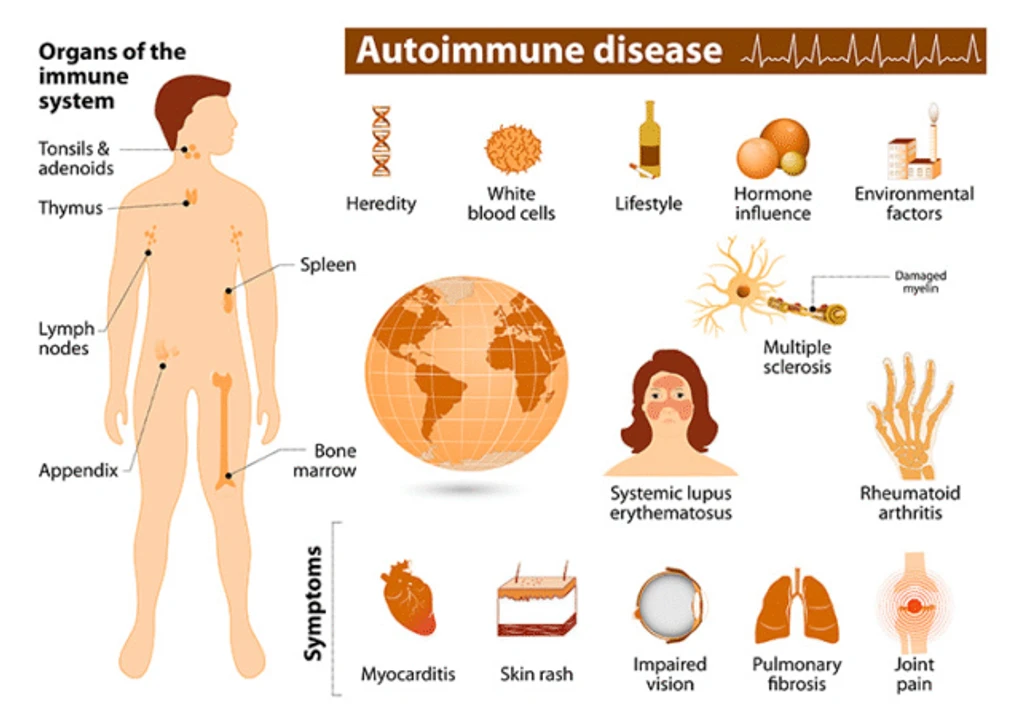
The findings show that women's immune cells are genetically primed for high alert. While this provides a superior defense against viral infections, it also increases the risk of the immune system mistakenly attacking healthy tissue.
Men, in contrast, had more 'first responder' monocytes focused on maintenance and repair-making them more susceptible to infections and non-reproductive cancers but less prone to autoimmune conditions.
Two specific gene switches dialed up in females were linked to the FCGR3A and ITGB2 genes, previously associated with systemic lupus erythematosus.
The team emphasized these baseline genetic differences underscore the need for sex-specific precision medicine. Current one-size-fits-all treatments for inflammation could be far more effective if tailored to a patient's sex-based immune profile.
The study was published in The American Journal of Human Genetics.