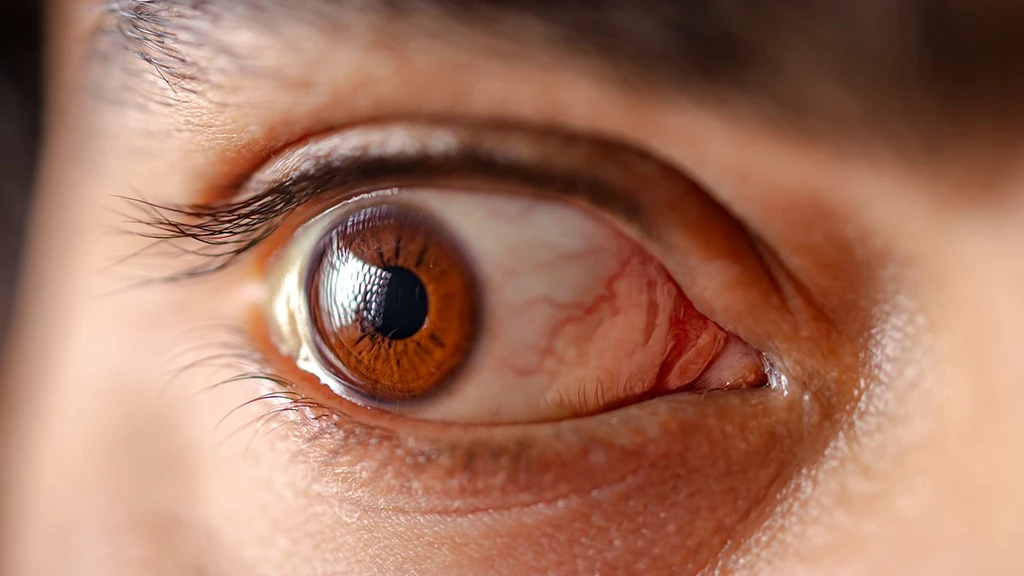
Researchers at the National University of Singapore have developed a novel eye drop treatment for dry eye disease, borrowing the photosynthetic machinery from spinach leaves. The technology, called LEAF, uses thylakoid membranes from spinach to produce NADPH, a molecule that helps cells fight inflammation and oxidative stress.
In lab tests on human eye cells and in mice engineered to have dry eye disease, the treatment reduced harmful oxidants by up to 95% within 30 minutes of light exposure. The LEAF drops outperformed the commonly prescribed drug Restasis in mice.
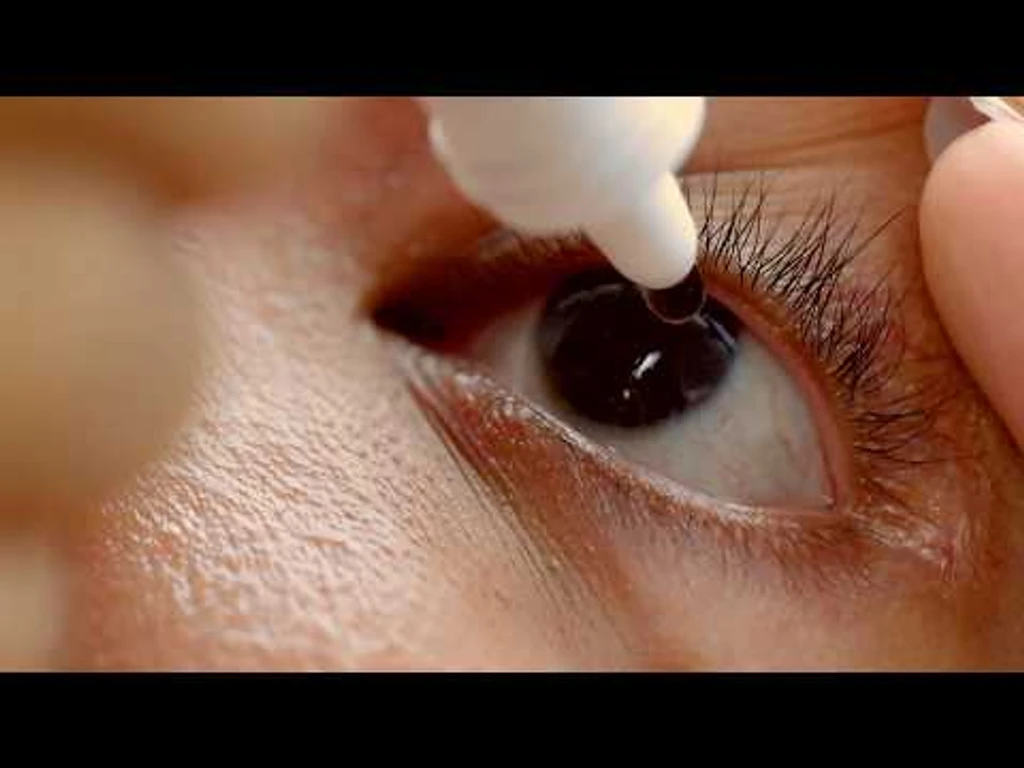
"This is an exciting finding as we have, for the first time, demonstrated that plant photosynthetic machinery can be transplanted into mammalian tissue to generate biologically useful molecules," said biomolecular engineer Xing Kuoran.
The spinach-based drops are inexpensive, require no external power source, and use ambient light. Clinical trials in humans are being prepared, though the particles currently degrade after a few hours. The team also sees potential for treating other inflammatory conditions where light can reach the tissue.