A new study reveals a common "neural fingerprint" across five major psychedelics: psilocybin, LSD, mescaline, DMT, and ayahuasca. Researchers analyzed fMRI brain scans from 267 participants across five countries, identifying two consistent patterns.
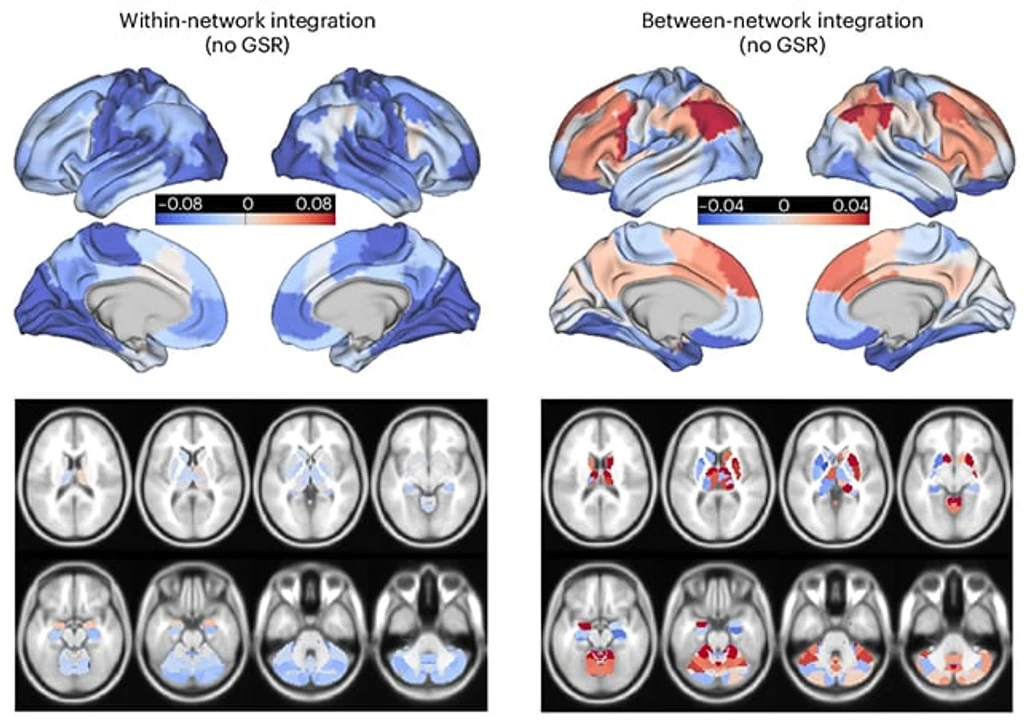
The first pattern shows stronger communication between distinct brain networks. The second reveals selective reductions in connections within certain networks. This suggests a flattening of the brain's normal hierarchy, a shared effect across these mind-altering substances. Experts believe this discovery is a breakthrough, potentially advancing the use of psychedelics in treating conditions like depression. While psilocybin and LSD showed the most similar neural patterns, this broad analysis connects previously disparate research, paving the way for more standardized, large-scale studies on their therapeutic applications.