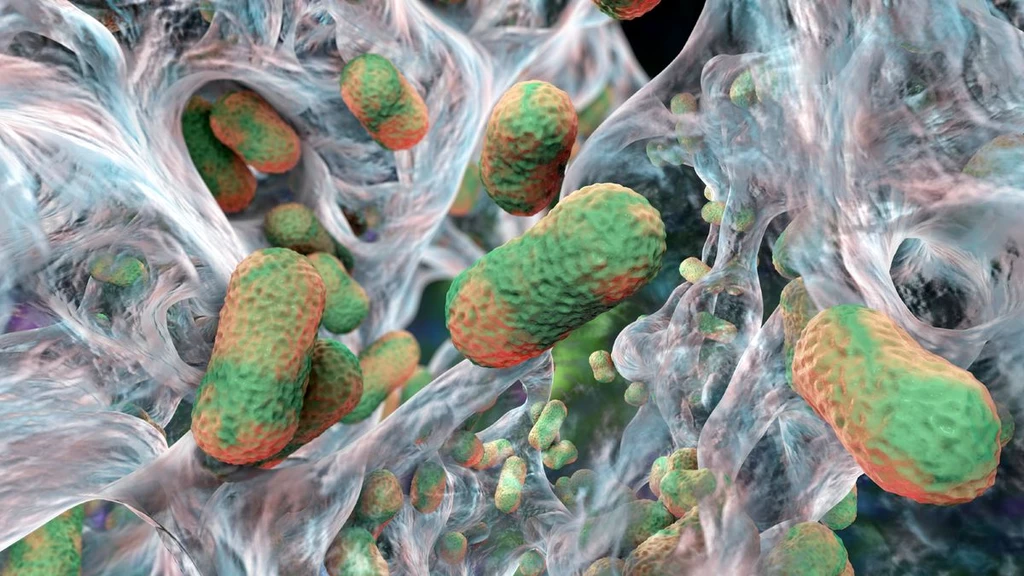
Scientists have identified a potential vulnerability in antibiotic-resistant bacteria, including Acinetobacter baumannii, through a unique sugar molecule called pseudaminic acid (Pse).
This sugar is found exclusively on the surface of harmful bacteria and can be targeted by monoclonal antibodies to mark them for destruction by the immune system.
In mouse trials, antibodies targeting Pse significantly improved survival rates against A. baumannii infections, with 100% survival in treated mice compared to none in the control group.
Researchers say this method could offer a novel treatment path for Gram-negative superbugs, which are notoriously difficult to treat due to their protective outer layers.
However, further testing is needed to ensure effectiveness across various bacterial strains in humans.
Study authors suggest the approach could also lead to vaccines for broad protection against Gram-negative bacteria.