
Self-reliance has become a cultural virtue, but it's rooted in deep emotional trauma. The 'boomer work ethic' was built on an unspoken contract: show up, endure, and loyalty would be rewarded. When that system collapsed, the emotional suppression remained.
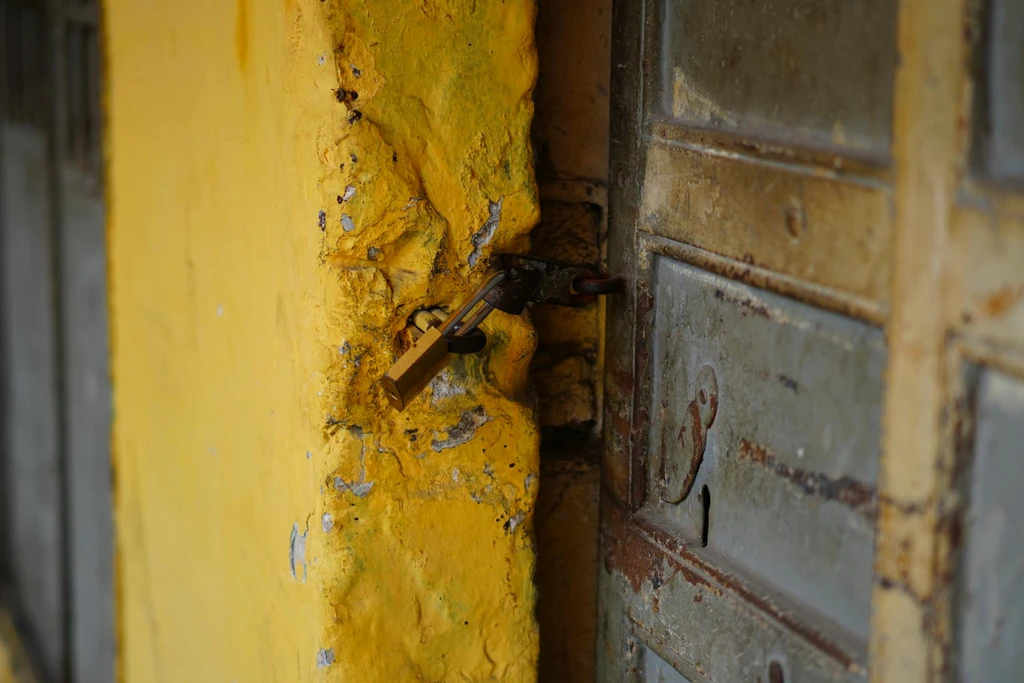
This internalized pain manifests as pride-strength that masks isolation. People who built ‘locked doors’ to protect themselves from vulnerability now struggle to ask for help. Their identity is tied to endurance, making emotional needs invisible.
Psychology Today explains that avoidance is often a coping mechanism, not a sign of capability. Those who avoid emotional expression do so because they've learned it's safer than feeling.

Generational patterns continue today, even among younger cohorts. The fear of irrelevance drives much of this behavior. For those whose identity was built on work, retirement isn’t just a change-it’s an existential threat.
Recovery requires acknowledging the trauma beneath the strength. Healing starts not with asking for help-but learning to accept it.