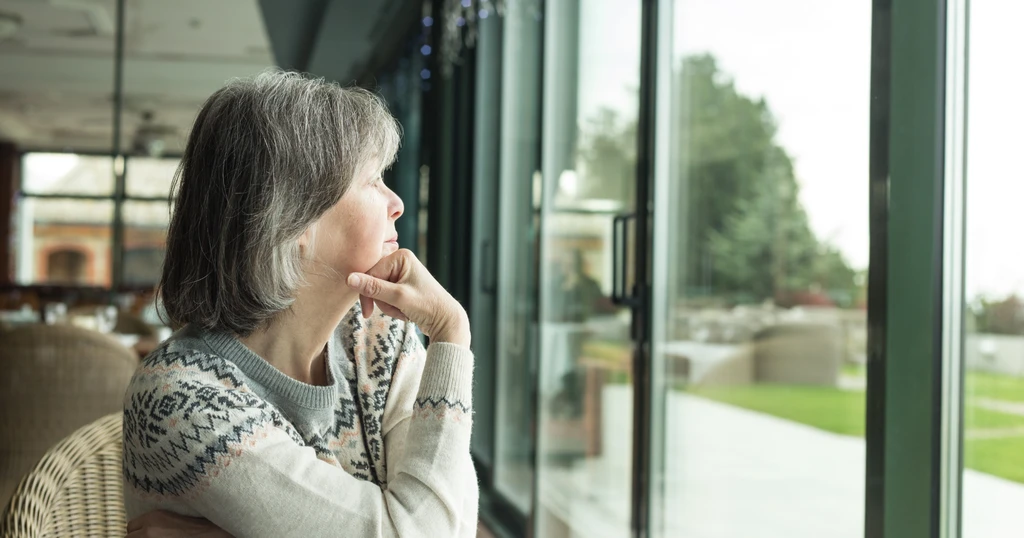
There’s a quiet unfolding in American living rooms-older adults, once pillars of resilience, now sitting alone, unasked and unheard.
The Silent Generation and early Baby Boomers were taught to endure. Complaining was weakness. Needing help was failure. Strength meant silence. That code sustained them through decades of duty, work, and family. But it left them unprepared for aging in a world that stopped checking in.
Stoicism, once a survival tool, has become a barrier to connection. Research shows over 30% of older adults in North America feel lonely. One in four have no close friends. Traditional masculinity and stigma around mental health keep men especially isolated.
The health toll is severe. Lack of social connection increases mortality risk as much as smoking 15 cigarettes a day. Studies link loneliness to heart disease, cognitive decline, and weakened immunity. Social isolation raises death risk by nearly a third.
Yet the same generation most at risk is least likely to seek help. They were never taught that needing connection is human-not a flaw.
They raised the world to be strong. No one taught them it was okay to need care too.