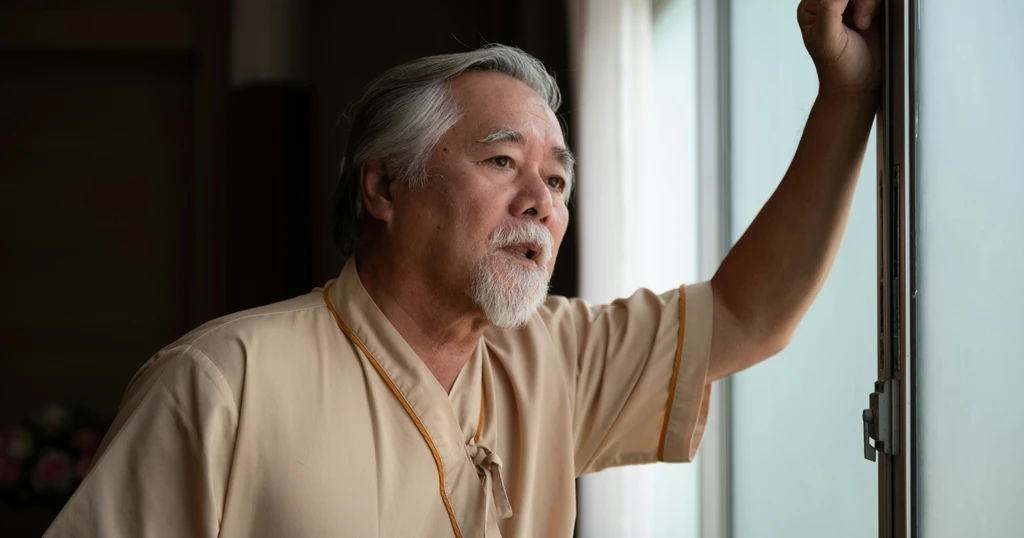
A man in his late seventies sits on a bench every afternoon. He spent 40 years in a job he didn't choose, raised three children, and cared for a sick wife. Now, he wonders: what do I actually like?
This is the quiet dilemma of a generation that built identity on usefulness. Psychologists call it a disconnect from inner life. Prioritizing everyone else for decades can leave a person a stranger to their own preferences.
Stanford's Laura Carstensen notes that as time horizons shrink, people prioritize emotional significance. But that requires knowing what you value. For those who deprioritized themselves for 50 years, that's not simple.
The good news: it's not too late. The man downstairs started small-asking each morning what sounds good. He picked up an old hobby. He began saying no to hollow obligations. He is rebuilding, slowly, a sense of self that belongs to him.
The Harvard Study of Adult Development shows relationship quality drives happiness, not achievement. But meaningful relationships require self-awareness. Knowing yourself isn't vanity; it's foundational.
For younger generations, the lesson is clear: don't wait until retirement to ask who you are separate from what you do. The question gets harder to answer the longer you avoid it.