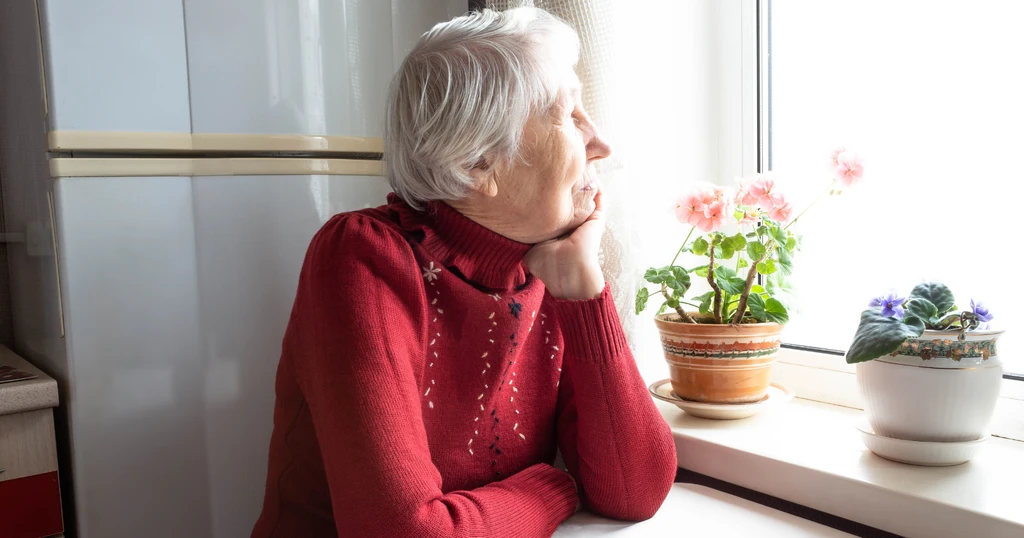
There is a 'strong one' in nearly every family, built on giving and not receiving. By 65+, when their own needs surface, they struggle due to lifelong suppression of emotions. Studies show older men especially hesitate to seek help due to societal norms, compounding their loneliness, which affects physical health.
Women who filled similar roles also find it challenging to ask for support. Their identity, shaped by never needing anything, becomes a barrier.
Chronic loneliness, common among these individuals, heightens risks of stroke, heart attacks, dementia, and premature death. It's crucial to recognize that caring for oneself is not a sign of weakness but a necessary shift in identity.